
Sea freight or air freight

International Sea & Air Shipping Services | Compare Costs & Transit Times

When you’re moving belongings overseas, the right shipping method can significantly affect your costs, timing, and overall moving experience. At International Sea & Air Shipping, we offer two distinct options: air and sea freight.

Sea freight is generally best for larger shipments where cost and capacity matter most, while air freight provides faster transit for smaller or time-sensitive shipments. At International Sea & Air Shipping, we help you evaluate these options based on your origin, destination, shipment size, and timeline. Whether you’re relocating an entire household or sending a smaller shipment abroad, understanding the differences between sea and air freight can help you plan your move with greater clarity and confidence.

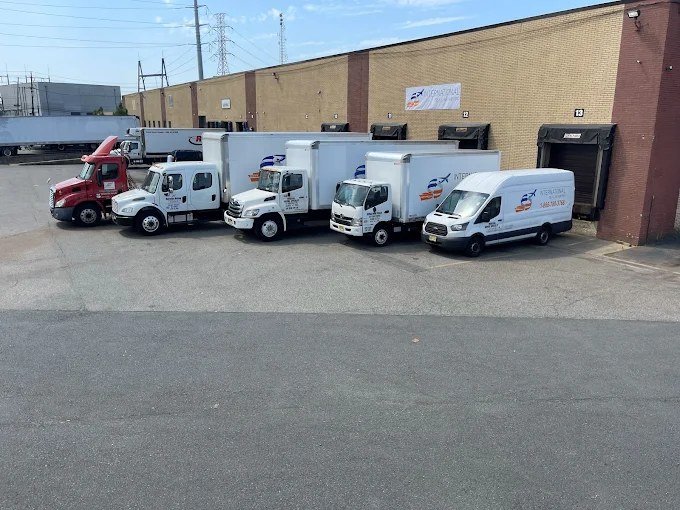
International Sea & Air Shipping trucks and van parked at the company warehouse

Two ways to ship

Choosing Between Sea and Air Freight

The right shipping method depends largely on how much you need to move, when you need it to arrive, and how transportation costs fit into your moving budget. Sea freight provides greater capacity for larger shipments, while air freight is designed around speed and can be practical for smaller quantities. Considering these factors before booking can help you choose an option that aligns with the specific requirements of your overseas move.

Best for larger shipments

Sea Freight

Sea freight is generally the practical choice for larger household shipments and higher-volume international moves, particularly when your belongings do not need to arrive immediately. It can provide more transportation capacity and, depending on the shipment and route, may offer a lower transportation cost than air freight.

Sea freight may be appropriate when:

  • You are moving a larger household: Furniture, appliances, boxes, and other substantial household contents are often more practical to transport by sea.
  • You have a high-volume shipment: Sea freight provides greater capacity for moves involving a significant amount of belongings.
  • Your move is not time-sensitive: If you can plan around a longer transit period, sea freight can be a practical option.
  • Transportation cost is a priority: When comparing sea freight vs. air freight moving costs, sea shipping can make more sense for larger shipments where speed is less important.
  • You need container space: Depending on the shipment, you may have options such as a dedicated container or shared-container shipping.

Best for speed

Air Freight

Air freight prioritizes speed over capacity and can be useful when you have a smaller shipment or need certain belongings to reach your destination sooner. While air transportation typically costs more than sea freight for comparable shipments, the shorter transit time can make the additional expense worthwhile for time-sensitive moves.

Air freight may be appropriate when:

  • You have a smaller shipment: A limited quantity of belongings may be easier to send by air than to arrange around a larger sea shipment.
  • You need items sooner: Air freight can reduce transportation time when you cannot wait for a longer sea transit.
  • Your belongings are time-sensitive: Work equipment, essential personal items, or other necessities may warrant a faster shipping method.
  • Speed matters more than transportation cost: If reaching your destination quickly is the priority, air freight may be worth considering despite its higher cost.

Cost

Sea Freight vs Air Freight: Cost Comparison

When comparing sea freight vs air freight moving costs, there is no single rate that applies to every international shipment. Your origin, destination, shipment size, weight, service type, and delivery requirements can all affect the final price. In general, sea freight is often more economical for larger shipments, while air freight can be a practical choice when faster transportation is worth the additional cost.

The most cost-effective option depends on the specifics of your move. Comparing the available methods based on both shipment requirements and delivery timeframe can help you determine which approach makes the most sense for your budget.

Timing

Sea Freight vs Air Freight: Transit Times

Transit time is an important consideration when choosing between sea and air freight, particularly if you have a specific arrival date in mind. Air freight generally offers faster transportation, while sea freight requires a longer transit period but can accommodate larger shipments.

Keep in mind that quoted transit times typically refer to the transportation portion of the shipment rather than the entire door-to-door process. Pickup, export documentation, port or airport handling, customs clearance, and final delivery can add time to your overall move. Your actual timeline may also vary depending on the route, season, and destination requirements.

Matched to your move

International Shipping Options for Different Types of Moves

Different moves call for different shipping priorities. The right choice between sea and air freight depends on the amount you’re sending, how soon you need it, and your overall moving plans.

Moving Overseas Permanently

If you’re relocating an entire household, sea freight can accommodate a larger volume of furniture, boxes, and personal belongings. If you need certain essentials immediately, you may choose to send a smaller shipment by air while the rest travels by sea.

Sending a Smaller Shipment

For a limited quantity of belongings, air freight can provide a faster option without waiting for a larger sea shipment. Whether it makes financial sense will depend on the shipment’s weight, volume, destination, and urgency.

Relocating for Work or Study

When you need belongings shortly after arriving at your new destination, air freight can be useful for essential items. Less urgent or higher-volume belongings can be shipped by sea when timing allows.

Shipping Additional Household Belongings

If you’re sending belongings separately from your main move and do not need them immediately, sea freight may provide a practical option for transporting a larger volume without prioritizing speed.

International Sea & Air Shipping movers loading boxes into a moving truck

Pricing factors

What Affects International Sea & Air Shipping Costs?

The cost of international shipping depends on the details of your individual shipment rather than a standard flat rate. Key factors include:

  • Origin and destination: Shipping rates vary by route, ports, airports, and destination requirements.
  • Weight and volume: Air freight is particularly sensitive to shipment weight and dimensional volume, while sea freight is generally more practical for larger shipments.
  • Shipping method: Sea and air freight have different transportation and handling costs.
  • Pickup and delivery: The locations involved and the level of door-to-door service can affect the total price.
  • Packing requirements: Professional packing, crating, or special handling can add to the overall cost.
  • Customs and destination requirements: Documentation, clearance, and destination-side charges can vary depending on the shipment and country.
  • Timing and season: Capacity and seasonal demand can influence available rates and transit options.

For an accurate estimate, it’s important to provide details about what you’re shipping, where it’s going, and when you need it to arrive.

Fill out our pre-move survey and get a detailed estimate in 24 hours.

Licensed, accredited and connected

  • International Association of Movers
  • European Mover Partnership
  • FMC Logo
  • Federal Motor Carrier Safety Administration (FMCSA)
  • American Moving and Storage Association (AMSA)
  • Better Business Bureau (BBB)

Get an International Shipping Quote

Not sure whether sea or air freight makes more sense for your shipment? Request an international shipping quote and provide your origin, destination, shipment size, and timing requirements. The right shipping method depends on the details of your move, so an estimate based on your actual shipment can be more useful than comparing general rates online.

Moving From USA Quote Form
Moving From

Helpful answers

Frequently Asked Questions

Is sea freight cheaper than air freight for international moves?

Sea freight is often more economical for larger shipments, while air freight typically costs more in exchange for faster transportation. The actual sea freight vs. air freight moving cost depends on factors such as your shipment’s weight, volume, route, and service requirements.

Should I ship my belongings by sea or air?

The right option depends on the size and urgency of your shipment. Sea freight can be practical for larger, non-urgent household moves, while air freight may be better suited to smaller shipments or belongings you need to receive sooner.

How long does international sea or air shipping take?

Air freight generally has a shorter transportation time than sea freight. However, the total door-to-door timeline can also include pickup, documentation, handling, customs clearance, and final delivery. Transit times vary by route and destination.

Can I use both sea freight and air freight for the same move?

Yes, depending on your moving requirements. Some customers may send essential or time-sensitive belongings by air while transporting larger quantities of household goods by sea. This can provide a way to balance timing, shipment volume, and transportation costs.

What information do I need to get an international shipping quote?

You’ll generally need to provide your origin and destination, the approximate size or volume of your shipment, what you’re shipping, and your preferred timeframe. Additional details may be required depending on the type of goods and shipping service.

Do international shipping costs include customs and delivery?

Not necessarily. The total cost can depend on the services included in your shipment, as well as customs requirements, destination handling, pickup, and final delivery. Ask your overseas shipping company what is included in your quote so you can understand the expected costs.

How do I choose an international sea & air shipping company?

Look for a provider that can clearly explain your shipping options, provide a detailed estimate, and coordinate the requirements involved in moving goods internationally. Experience with your specific origin and destination can also be important when planning an overseas shipment.