
GET A FREE MOVING
QUOTE NOW!
International Shipping Method
In the interconnected world of globalization, selecting the best international shipping method is a crucial decision that will affect your move or business. Whether you are moving to a different country, shipping items overseas, or trading across the world, knowing which type of shipment to take and when is crucial in achieving an effective and efficient transport.
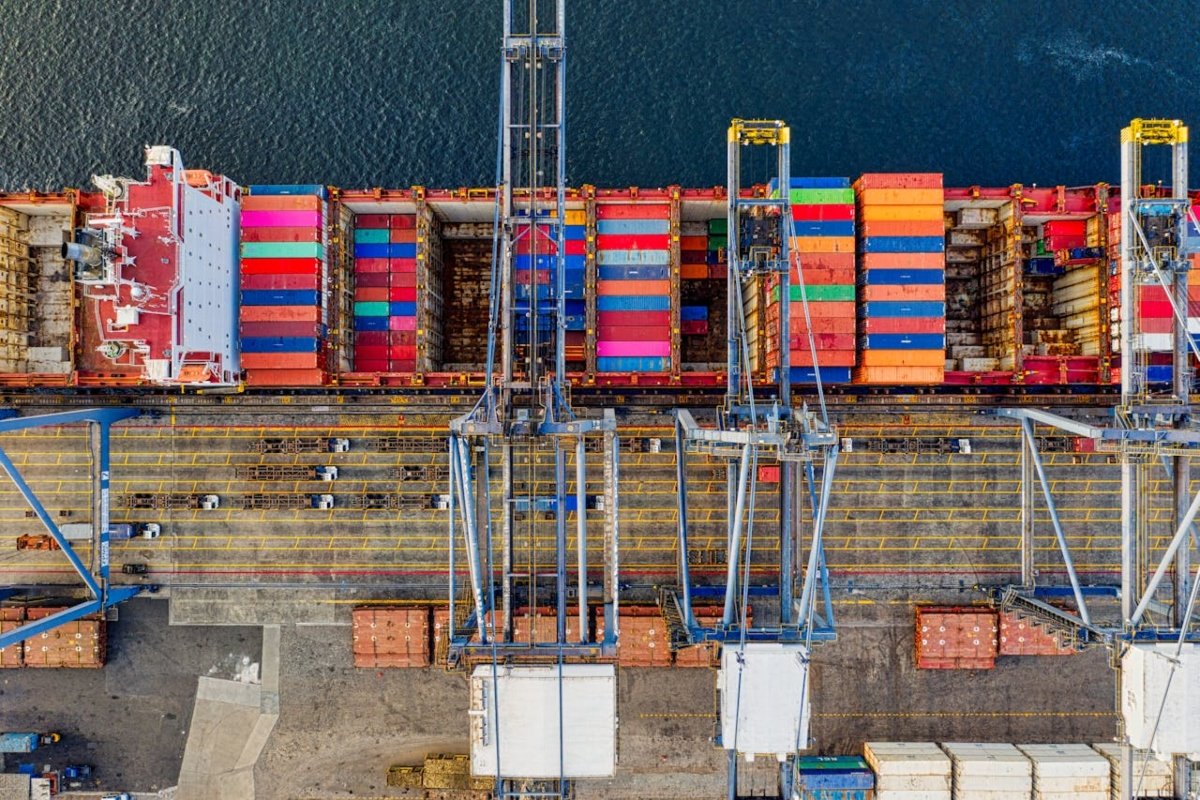
What are the Four Categories of the Shipping Methods?
Common modes of transportation in the shipping process are air, sea, rail, and truck. Each mode of transportation has its own benefits, and the best choice depends on the type of goods being shipped, the required delivery time, the cost, and the destination. By considering these factors, shippers are able to better decide upon which form of transportation would provide the most efficient solution and enhance overall supply chain quality.
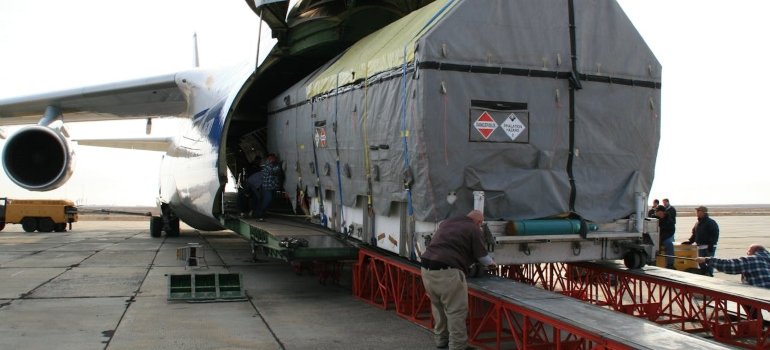
Air Freight
Fast in transit, air freight is best for the shipment of goods in a time-linked manner.
- Global Reach: A worldwide network of destinations means that airlines offer access to even the most remote and difficult-to-reach places on earth
- Limited Capacity: However, air freight can be limited in cargo amount since the aircrafts have only a set capacity
- Higher Costs: Air freight tends to cost more for shipping, even for the same weight/volume of items
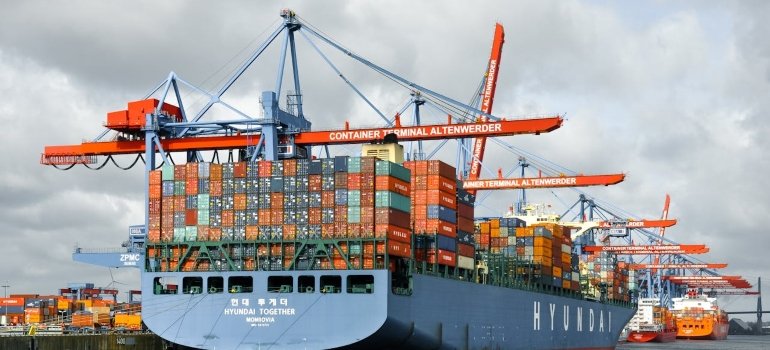
Ocean Freight
- Economy and Volume: Ocean freight is low-cost compared to all other modes of shipping goods, but it also has a large volume, so it fits better with bulk shipments
- Flexible Options: Different container types (lift vans and exclusive vs. shared containers) are available to satisfy your cargo size and type
- Environmental Impact: Oceanic shipping creates less carbon than air freight and is therefore a more sustainable option
- Longer Transit Time: Ocean freight takes longer due to slower ship speeds, which provides you with more time to plan
Rail Transport
- Land Connectivity: Inland regions with no port access can use rail transport as an alternative connection
- Efficiency: Rail is able to transport large quantities of freight efficiently, perfect for certain trade routes
- Inter-modal Solutions: The movement of rail is facilitated through a seamless network with other modes (e.g., trucks, ships), including intermodal logistics
- Geographical Limitations: Rail is limited to existing rail networks, and it cannot be accessed everywhere
Road Transport
- Last-Mile Delivery: Road transportation ensures the last-mile delivery to enable distribution centers to be connected to the customer’s doorstep
- Flexibility: Trucks can access areas that may be difficult for other modes, such as rural roads and construction sites
- Regional Scope: Road transport is suitable for short and medium distances, so it is the preferred means of local transport and regional trade
- Traffic and Congestion: Surface transportation may be affected by traffic congestion and regulations that could impact shipment times
Other Key Shipping Types Based on Service Level
In addition to commercial carriers, several categories of shipping services are determined by the length of time between delivery and the destination, cost of shipment, and destination. Which one of these three you pick will depend on your time frame, budget, and what exactly you’re shipping.
Expedited Shipping
This service provides quicker delivery than regular mail, but this is also pricier. 1 to 3 business days are required for arrival.
- Speed: Quicker than standard shipping, usually with guaranteed delivery windows
- Priority Handling: Orders received are processed and shipped with priority
- Higher Costs: More costly than regular shipping methods
Economy Shipping
Economy shipping is another economical option for shipping products. It tends to give you extended shipping times but is less expensive than expediting it.
- Cost-Effective: The lowest cost delivery option for less urgent shipping
- Wide Availability: For most destinations and parcel sizes
- Slow Delivery: Slower transit time than with expedited shipment
Overnight Shipping
Next-day As the name suggests, next-day shipping includes delivery in one business day. It’s wonderful for those last-minute or time-sensitive packages; however, you pay a price for it.
- Speed: It’s the quickest option and can ship packages within 24 hours
- Reliability: Highly reliable product and delivery on time the next day
- Premium Cost: Most expensive shipping in exchange for speed and list level
Local Delivery or Pickup
Courier services only apply to shipments within a specified geographical area. This is a method that is frequently used for smaller companies or e-commerce websites where you are looking to get products out the door locally and quickly.
- Speed: Swift delivery within a city. It can occur the same day or the next day
- Cost-Effective: Driving the costs of shipping to a minimum, with options most suitable for deliveries within your region
- Limited Reach: Driving the costs of shipping to a minimum, with options most suitable for deliveries within your region
Flat-Rate Shipping
Flat-rate shipping is one price no matter how much you order or where you ship. Postal services and carriers widely utilize this method to ensure uniform rate shipping.
- Cost Predictability: Pricing is not based on package weight or destination
- Simplicity: Makes both sender & receiver pricing/billing appear simple
- Size and Weight Limits: There are sometimes limits on size and weight, which may not be suitable for all items
Multiple Addresses Shipping
This service allows you to send multiple items in one order to a single address. This is a common practice among businesses, especially for high-volume orders or to promote sales.
- Efficiency: Makes sending multiple parcels to different addresses easy
- Convenience: Simplifies life for retailers that have multiple delivery destinations
- Complexity: moderate-to-high You need to be on top of managing your various addresses
Most Preferred – What Are the Best Ways to Ship My Goods Around the World?
When our customers talk about moving internationally to other countries, they think of air and ocean freight. Knowing the differences in these methods and picking the right one for your business can be the difference between success and failure of shipping.
What is Air Freight?
Airline freight for moderate orders. Air freight is ideal for items that you need immediately, such as clothing or small goods. You can ensure that your products reach their final destination rapidly, whether you are relocating and needing to transport goods or doing business with the help of air shipping.
What is Ocean Freight?
Opt for ocean freight when cost matters more than timing. Great for larger packages and items in bulk. You have the choice of:
Lift Vans
Small household goods are best transported using lift vans, ensuring secure shipping.
Exclusive Containers
Larger consignments are safer in these lockable steel containers.
Shared Containers
Grouping merchandise with other cargoes to fill a container and reduce shipping costs is an economical option for small shipments.
Sea Shipping/Ocean Freight vs. Air Shipping
Cost
- Sea Shipping: Economical, especially for sizable shipments. Pricing is often determined by container size or volume
- Air Shipping: Generally pricier due to weight and volume-based charges. Smaller shipments might be cheaper, but total expenses tend to be higher than sea shipping
Capacity
- Sea Shipping: Ample space for larger items like cars and trucks. Ideal for sizable loads
- Air Shipping: Limited capacity in terms of size and weight. Better suited for smaller shipments; larger cargo may pose challenges
Speed
- Sea Shipping: Slow transit, spanning weeks to months. Longer if distant from major seaports
- Air Shipping: Rapid, often arriving within a day or two. Perfect for urgently needed items
Reliability
- Sea Shipping: Generally dependable, with tracking services available. Occasional delays due to storms or accidents, but these are rare
- Air Shipping: More prone to delays from bad weather or mishaps. Shorter travel times minimize error chances
Environmental Impact
- Sea Shipping: Environmentally friendly, with low pollution. There is a small chance of oil spills, which pose potential ecological risks
- Air Shipping: Less green results in a higher fuel use and emissions. Air shipping is quicker than other methods, but it has a higher carbon footprint
From Tiny Packets to Bulk Bags: Customized Packing
Whether you need to deliver small packages or ship your full container, these shipping methods will cater to your needs. Shipping small orders is best by air freight or DHL. Please inform us in your mail if you need this fast way.
Ocean Freight When sending larger quantities, there are different types of ocean freight options available, according to the volume and type of your products. Opt for the best shipping method to take advantage of it and strike that perfect balance between speed and price.

Speak to our Specialist to Learn What is the Most Suitable way for Shipping your Package Internationally.
When mailing items abroad, safety goes both ways. In most cases, air and ocean freight are both safe, but there are things to consider for each. For the full variety of your shipping options for these items, please speak with us to confirm that they are tightly packed and prepared in the correct manner to be transported safely.
We’ll demystify the details of international shipping for you so that you can make informed decisions and your shipment goes as smoothly as possible!
FAQs
What’s the best method to send packages internationally?
What you send, how much you have, and how fast you want it to arrive usually dictate how you send it abroad. Talk to our experts about what matters most to you and which option is best for your business: air or ocean freight.
What is the best shipping method?
The best way to send something is what the customer needs. If time is your primary factor, you would probably want to consider air freight. If you’re looking to save some money, maritime transportation will be the better option. Consider what you need, how much cash is on hand, and how long you have to decide.
What is the fastest method to transport items to other countries?
That’s with a shipping method to your destination and potentially a customs delay. Standard or economy shipping can sometimes take weeks, while express shipping sometimes takes only days. These estimates will allow you to work out the exact time frame for international delivery by speaking to a professional.
If deciding on a way to ship internationally, should I put cost ahead of delivery time?
It depends on what you need. If the timing of delivery is crucial, prioritize speed over the variety of shipping options. If not, consider what would make things cheaper and faster.
How does USPS shipping work?
Yes, the United States Postal Service (USPS) ships packages and parcels to other countries. See if they work for you by checking out USPS’s international shipping options, prices, and delivery times.