
GET A FREE MOVING
QUOTE NOW!
Shipping Your Goods by Sea vs. Air
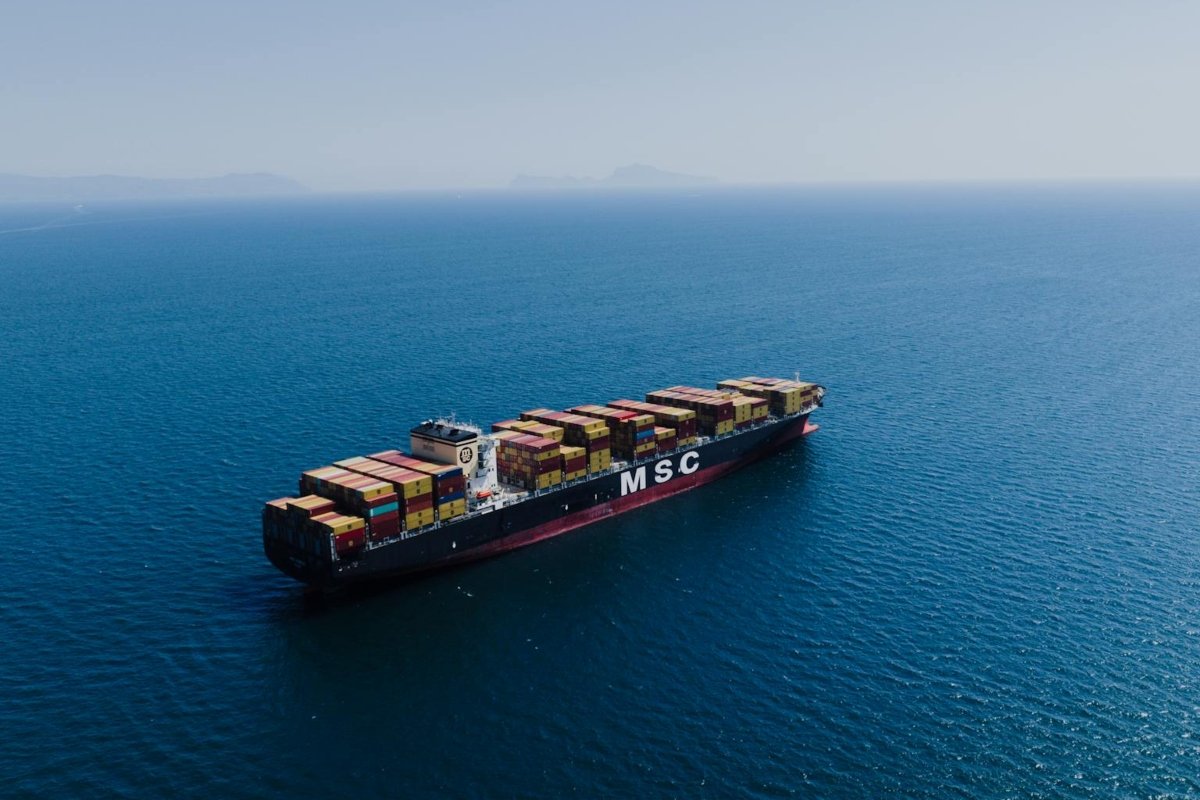
Selecting the appropriate mode of shipping is essential when transporting goods on a global scale to ensure that they arrive at their final destination in a timely manner—and at an acceptable cost. International shipping by ocean and shipping by air are two top options (by sea and by air). Learn the benefits—and drawbacks—of each, so you can make an intelligent decision for your business.
Shipping by Sea (Ocean Freight)
Pros
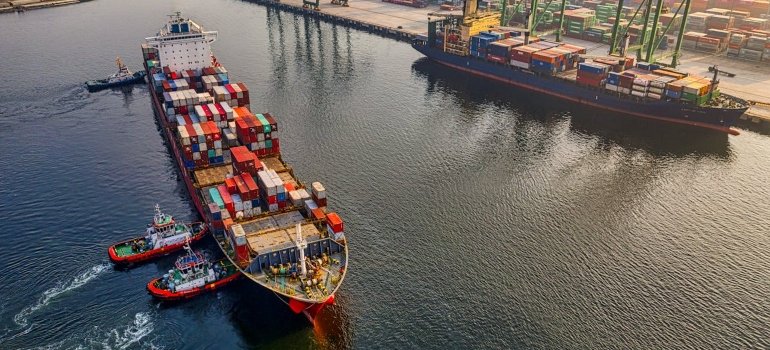
- Cost-Effective: Transport by sea or ocean freight is often more affordable, which makes it a best fit for heavy and larger loads
- High Capacity: Ships can carry more resources compared to other modes of transportation, allowing for the shipment of many items in a single trip
- Suitable for Non-Urgent Shipments: If you’re not in a rush for your items to arrive, shipping by ocean is a wonderful option
Cons
- Long Transit Times: Sea freight takes more time in reaching the destination than air freight
- Restricted Access: There may be parts of the country, even some that are landlocked, that cannot reach seaports directly
- Weather-related Delays: Ships can have a tough time staying on schedule in adverse weather
Most Suitable for
- A lot of stuff, such as raw materials, minerals, and goods
- Nonperishables that will be sitting on the shelf a little longer
- Businesses that ship a high volume of products and are trying to keep shipping costs down
Shipping by Air (Air Freight)
Pros
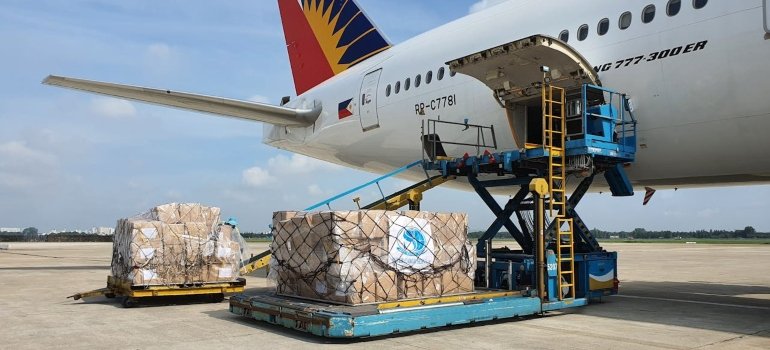
- Fast Transit Times: Air freight, also known as air cargo shipments, is faster, making it ideal for deliveries that need to be made quickly
- Global Reach: Airports are more accessible, and you can go to so many places
- Reliability: Weather conditions have a greater impact on sea travel than on air travel
Cons
- Higher Costs: Air transportation is pricier, especially for large, heavy things
- Limited Capacity: Planes have limited space for cargo, making them a less ideal way to move large quantities of goods
- Security Concerns: Tighter security rules can mean the screening process is much stricter
Best Suited for
- Perishables such as electronics, drugs, and fresh produce are among high-value products
- Little, light things that people need to get through fast
- Firms that have to move stuff rapidly—and are willing to pay a premium
Shipping Your Goods by Sea Vs Air
Cost Comparison
While there’s an obvious trade-off between speed and cost when selecting sea over air shipping, it’s important to consider the following factors in your decision. Companies that ship many items and are able to work with a more flexible schedule might bargain this way; ocean shipping is cheaper.
The thing about air shipping is that it’s worth the extra cost for businesses that need to reach their products to customers quickly and have inventory that is worth more or needs to be shipped faster.
Find out exactly what you need for shipping. Understanding the quantity and type of items you need to ship will assist you in identifying the most suitable shipping methods that align with your budget and logistical requirements.
Transit Time
One important factor to consider when deciding on air shipment versus sea freight is how long it will take for the goods to get from point A to point B. By Ship Shipping something by sea takes longer (between 1 and 5 months) than flying, but it’s much cheaper. They’re ideal for businesses that send things that are not time-sensitive or in bulk.
Air transport, though, is swift and typically delivers things within a few days. That’s great for shipments that should arrive rapidly, goods that can perish, and items of high value. It’s really a compromise between how much you can afford and how soon you need the delivery. To save money and get things to customers faster, many companies rely on a balance of sea and air shipping.
Things to Think About: What Sort of Goods
In addition to cost and transit time, consider the following factors when choosing between sea and air freight shipping:
Nature of Goods
Consider the type you are sending. Air shipping is best for perishable and high-value items since it’s faster. Shipping by sea might make more sense if you have a lot of bulk goods or something that won’t go bad.
Environmental Impact
Consider the environmental impact of your choice. Sea shipping typically results in a lower carbon footprint per ton-mile than air shipping. This information can help you decide if sustainability is a priority for you.
Customs and Regulations
Discover the customs rules and procedures for each mode of transport. Air shipments may clear customs more quickly (because they travel faster), while sea shipments may be subject to more comprehensive inspections.
Packaging Requirements
Please take into account the packaging requirements for each mode. Stronger packaging may be necessary for sea shipments due to their increased exposure to rough treatments. Air freight, in contrast, is far less likely to encounter such issues.
Urgency of Delivery
Consider how fast you need your goods to go. For urgent deliveries using air courier, it is best to place your order on Friday to ensure receipt by air shipping. For businesses with a bit more wiggle room, sea shipping is ideal.
Summary Comparison Table
| Factor | Sea Shipping | Air Shipping |
| Cost | Low | High |
| Transit Time | Slow (weeks to months) | Fast (days) |
| Capacity | Very high | Limited |
| Best For | Bulk, non-perishable goods | High-value, urgent, or perishable goods |
| Weather Impact | High | Low |
| Environmental Impact | Lower emissions | Higher emissions |
| Accessibility | Limited to ports | Accessible via global airports |
When to Choose Sea vs When to Choose Air
Choose Sea Shipping If:
- You have bulky, heavy, or high-volume goods
- Your shipment is not time-sensitive
- You want the most cost-effective option
- Your goods are non-perishable and durable
Choose Air Shipping If:
- You need fast delivery
- You are shipping high-value or fragile items
- Your goods are perishable or urgent
- You prefer more reliable schedules and faster customs clearance
How International Sea & Air Shipping Company can help you choose the best option
A well-known international sea and air shipping company with 70 years of history can help you decide between shipping a container by air or sea. Our logistics experts meticulously check every detail of your shipment—what are you shipping, how soon must it arrive, and at what cost?
By way of our expertise in the trade, we provide intelligent suggestions tailored toward your small business wants. We are resting back on our laurels on a broad record of completing outstanding work, meaning you can trust that your goods will arrive at their destination both speedily and easily—be it by sea or air. Call us today!