Customs Clearance
Navigating customs with ease: trust International Sea & Ar Shipping to handle your customs clearance for a smooth, stress-free relocation.

Get a Free Moving Quote Now!
Start Your International Moving Journey




Customs clearance is just one of the stages that many fear they will face when it comes to shipping goods internationally. All countries have rules about what can come in, whether documents are required, and if any taxes or duties are applicable.
And if you’re moving to an international destination or shipping valuables overseas, knowing this process can prevent your belongings from getting stuck for longer than necessary and causing headaches.
We at International Sea & Air Shipping are here to help you through each stage of the process so your shipment passes through customs and arrives as planned with minimal hassle.
What is Customs Clearance?
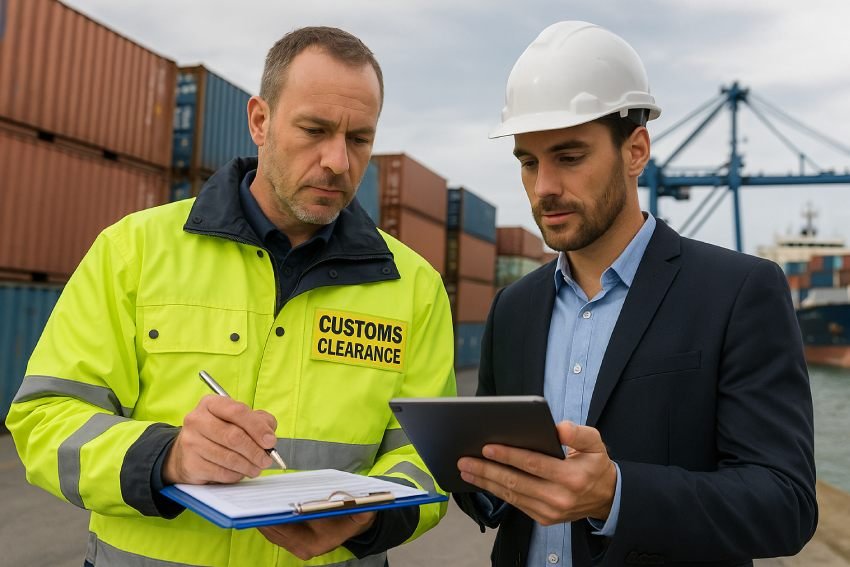
Customs clearance is a formal process whereby specimens move across international borders in compliance with all applicable legislation. That includes verifying documents, establishing the details for a shipment’s move, obtaining proof of payment of duties or taxes, and ensuring goods meet import and export requirements. The merchandise cannot be delivered until these steps are done.
Why Customs Clearance Matters in International Moving
When moving internationally or shipping personal effects, the speed at which your goods clear customs is a major determinant in when they arrive. The rules can be a little mystifying for customers, but when you use quality professional international movers, your paperwork, regulations, and customs talks are all done correctly from the outset.
Who is Responsible for Customs Clearance?
The importer or consignee is responsible for paying custom obligations and taxes. But the vast majority of people opt to hire a customs broker or a freight forwarder, who coordinates everything on the client’s behalf. This means that you will be responsible for presenting the necessary documents, paying duties, and making any arrangements with customs in case of some problem.
What Items Require Customs Clearance While International Shipping?
The majority of orders require customs approval that can include items such as
- Commercial items: Machinery, electronics, consumer goods, and raw materials
- Personal property: Clothes, furniture, other household goods
- Household Items Shipping: Items you pack for the international moving itself
- Gifts or samples: Tax may be due based on value
- Prohibited items: Weapons, dangerous goods, cultural artifacts, or any product requiring special permits.
Understanding Customs Regulations
Each country has its own rules about what you can bring into and take out of the country. Common requirements include:
- Evidence of ownership (used household goods)
- Inventory & value declaration for all shipments
- Additional copy of certificates for inherited articles or wedding trousseaus
- Import timeframes when relocating.
- Adherence to restricted/forbidden item lists
Regulations change frequently, so verify current requirements with customs officials or your destination agent.
Documents Required for Custom Clearance
The paperwork you must submit varies by country, but it generally falls into these categories:
Identity & Immigration Documents
- Passport copy
- The visa, residence or work permit
Shipment Documents
- Packing list or detailed inventory
- Commercial invoice or value declaration
- Insurance (if requested)
Declarations
- Personal effects declaration
- Non-restricted goods declaration
- Report on the declaration of high-value goods (alcohol, tobacco etc.)
Additional Certificates (If Needed)
- Authorisation for customs by your customs broker
- Employer transfer letter
- Diplomatic certificate
The need for precise documentation will also mitigate any delays, checks, or further inquiries customs may have.
Custom Clearance Process
Document Verification
A customs broker, meanwhile, has your documents—inventory list, invoice, identification, and any needed permits—checked for accuracy and compliance by this high-level agency.
Duties, Taxes & Inspection
Taxes and duties Depending on the type of item and its value, customs may impose duties or taxes. The shipment may also be checked to confirm that it matches the declaration.
- The amount depends on factors like the type of goods and their declared value
- Payment can be made directly to the customs authority before goods are delivered
Shipment Release
If all conditions are satisfied and duties paid, the goods will be cleared. There are also other processes, such as labeling for dangerous goods depending on the shipment, before a final release is called.
Tips for a Smooth Customs Clearance
- Always declare the value of everything, including gifts
- Check that all documentation carries the same information
- Describe each item and the purpose for which it is needed in detail
- Please state the country of origin
- You should include valid contact phone numbers for the sender and recipient
- Include the contact information of your broker or agent if they are helping
How We Can Help with Customs Clearance?
We’ve got your back. We can help you make sense of customs clearance for easy, accurate, and reliable customs clearing. We offer assistance regarding customs tariff classification and valuation, as well as compliance with import/export restrictions.
We can help you prevent delays, penalties, and expensive mistakes. Trust us to streamline this import and customs process with a seamless international moving service from start to finish. Contact us today!
FAQ’s
How does customs clearance work?
During customs clearance, officers are going over your paperwork, they’re checking what you’ve declared, they’re looking at items if necessary, and they’re determining any applicable duties or taxes. If all is in order, the shipment is freed for delivery.
The process differs by country, with it often being managed directly by the customs departments or through appointed customs agents.
How much time does customs clearance take?
Clearing customs usually takes from a couple of hours to several days. Timing can vary based on factors like the complexity of the shipment, the accuracy of the documents, and how quickly local customs authorities process paperwork. Accurate documentation helps avoid delays.
Do I have to pay customs import taxes?
Yes. The vast majority of countries have customs fees, import duties, and occasionally charges for VAT or other taxes. The buyer pays these costs in most cases. The sum will vary based on the customs value of your goods and the tariff rules of the country.
What are the import and export restrictions?
Import and export restrictions are rules that determine what can or cannot be moved across borders. Some items may require special licenses, and others may have restrictions or be entirely banned. Each country has its own rules, so it is best to check before you send any products.
What is a customs tariff?
A customs tariff is a table of fees or taxes applied by a country to imported or exported goods. It is a schedule that enumerates items with the appropriate tariff rates. The rates of duty may be different for goods classified under specific free trade agreements or preference programs.
What are customs duties?
Customs duties are taxes imposed by a country on goods or services when they cross its borders. They tend to be based on the value of the shipment, such that you total up cost and freight plus insurance. These responsibilities are different, country by country.

