
GET A FREE MOVING
QUOTE NOW!
How to Prepare Artwork, Antiques, and Collectibles for International Shipping
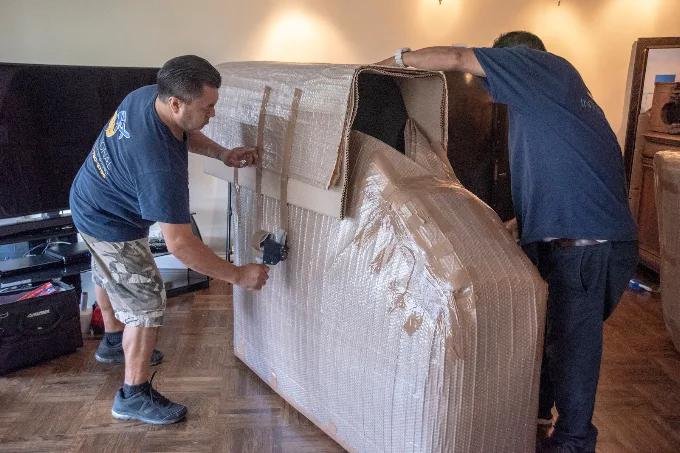
Artwork, antiques, and collectibles often need more attention than ordinary household belongings during an international move. Their materials, age, dimensions, and condition can make them particularly vulnerable to damage during handling and transportation. Before arranging shipping fine art overseas, assess each item individually and determine what protection it needs.
Assess each item before packing
Start by documenting the condition of paintings, sculptures, antiques, and collectibles. Take clear photographs from multiple angles and note any existing cracks, loose components, scratches, or other damage. For valuable pieces, consider obtaining a professional appraisal that records their description and estimated value.
This information can help with inventory preparation and insurance discussions. The Federal Maritime Commission recommends keeping an accurate inventory and ensuring that item descriptions reflect the actual goods being shipped. Its packing guidance for international moves also highlights the importance of recording item condition.
Choose packing based on the material
Different objects require different protective methods. Framed paintings may need corner protection, surface barriers, and rigid packaging, while sculptures and delicate decorative pieces may require custom-fitted supports. Antiques with fragile joints, glass components, or intricate detailing should be assessed before anyone attempts to dismantle or wrap them.
Professional international fine art movers can evaluate the item’s dimensions, construction, and handling requirements before recommending suitable packing materials. Depending on the piece, this may include specialized wrapping, reinforced cartons, or a custom-built crate.
Consider custom crating and handling
Custom crating can provide additional protection for oversized, unusually shaped, or particularly fragile objects. A crate should be designed around the item’s dimensions and vulnerabilities, with appropriate internal support to limit movement during transit.
Ask your mover how valuable pieces will be labeled, handled, loaded, and secured. If a collection includes several different objects, make sure the inventory identifies each one clearly rather than grouping everything under a general description.
Review insurance and customs requirements
Discuss international moving insurance before packing begins. Ask what coverage is available, how declared values are established, and whether exclusions or special conditions apply to artwork and antiques. The Federal Maritime Commission’s guidance on documentation and insurance explains why reviewing policy terms is important for international shipments.
Customs treatment can also vary by item and destination. For example, U.S. Customs and Border Protection defines antiques for certain import classifications as items more than 100 years old and provides specific guidance on the importation of antiques and artwork. Other countries may have additional rules, particularly for cultural property.
Prepare before your moving date
Do not leave valuable pieces until the final packing days. Arrange assessments, appraisals, documentation, and crating well in advance. Proper preparation helps protect both the condition and the documented value of your collection during an international move.
Protect Valuable Belongings with International Sea & Air Shipping
At International Sea & Air Shipping, we help customers coordinate the transportation of valuable household belongings, including artwork, antiques, and delicate collectibles. Our team can discuss packing, crating, international freight, customs assistance, and insurance considerations as part of your move. Contact us to discuss your items and request a quote for your overseas shipment.