
GET A FREE MOVING
QUOTE NOW!
Planning an International Move from the USA: Timeline, Logistics, and Decisions

Relocating to another country involves considerably more than booking an international flight and finding a new home. International moving from the USA requires coordinating several arrangements, including housing, employment, travel documentation, household goods shipping, transportation, customs requirements, and overseas delivery. Each has its own timeline, and delays in one area can affect the rest of the relocation.
Whether you are moving for employment, retirement, family reasons, or a lifestyle change, starting early makes the process easier to manage. You will need to decide which belongings to take, compare ocean and air freight options, understand destination-country import regulations, and arrange packing, transportation, and storage where necessary.
A successful overseas relocation depends on understanding how these responsibilities fit together. Booking an international moving company is only one part of the process. You must also consider when your current home will be available for handover, when you need to arrive at your destination, and whether your household shipment will reach your new residence at the right time.
This guide explores the essential stages of planning an international move, offering practical advice to help you organize your relocation, manage shipping arrangements, and prepare for life in a new country.
At a Glance: What to Consider When Planning an International Move
- Moving timeline:Establish a realistic schedule for researching destinations, booking movers, preparing belongings, and arranging transportation.
- Housing and employment:Coordinate property arrangements, lease agreements, and professional commitments with your departure date.
- Travel documentation:Check passport validity, visa requirements, and residency permissions.
- Household shipping:Decide what to take overseas and compare ocean freight and air freight options.
- Packing and customs:Prepare an accurate inventory and understand destination-country import requirements.
- Storage and delivery:Plan for differences between your arrival date and household shipment delivery.
- Choosing a moving company:Compare quotes, credentials, service coverage, and destination support.
1. When Should You Start Planning an International Move from the USA?
An international relocation involves several arrangements that cannot always be completed simultaneously. Immigration paperwork, housing searches, household preparation, shipping bookings, and customs documentation may all require different amounts of time.
As a general guideline, begin planning three to six months before your intended departure. However, this is not a fixed timeline. Some destinations have lengthy visa procedures, while larger household moves may require additional preparation. Your destination, shipment size, and personal circumstances will influence how early you should begin.
Start by establishing your departure and arrival dates. Consider when you need to leave your current residence, when you are expected to begin employment overseas, and when your new accommodation will be ready. These dates will help determine when your household goods need to be collected and which transportation arrangements are appropriate.
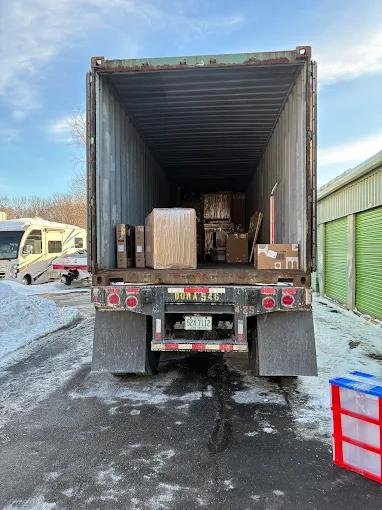
Next, research companies that offer international relocation services and identify those experienced in handling shipments to your destination. Requesting an international move quote early allows you to understand potential costs, compare available services, and determine whether you need a full container, shared-container shipping, or a smaller air freight shipment.
You should also begin reviewing your household belongings. Moving overseas provides an opportunity to assess what you genuinely need in your new home. Sorting items early makes it easier to estimate shipment volume, identify belongings requiring special packing, and decide what should be sold, donated, stored, or transported.
An international moving checklist can help keep these responsibilities organized. Create a list of tasks with target completion dates, covering administrative requirements, property arrangements, household preparation, shipping deadlines, and travel responsibilities.
Most importantly, avoid treating household shipping as a separate task to arrange once everything else is complete. Your moving company will need sufficient notice to assess your belongings, organise packing, schedule collection, and coordinate international transportation. Including these arrangements in your initial relocation plan makes it easier to avoid unnecessary delays.
2. Your International Moving Timeline: A Month-by-Month Breakdown
Once you have established a tentative departure date, divide the relocation into manageable stages. A structured schedule helps you prioritise important decisions and understand which arrangements need to be completed first.
The following timeline provides a general framework for international moving from the USA. Actual requirements will depend on your destination, shipment size, and personal circumstances.
Three to Six Months Before Moving
Focus on research, budgeting, and major decisions.
- Research immigration, residency, and customs requirements in your destination country.
- Establish a budget covering transportation, packing, storage, insurance, and potential destination charges.
- Begin arranging housing and employment commitments.
- Research international moving companieswith experience handling shipments to your destination.
- Request quotes and discuss available shipping options.
- Start sorting household belongings.
- Identify items that may require specialist packing or custom crating.
This is also a good time to investigate restrictions on importing household goods, electrical appliances, and other personal belongings.
Two to Three Months Before Moving
By this stage, you should have a clearer understanding of your departure arrangements and shipment requirements.
- Confirm housing and employment arrangements where possible.
- Select a moving company and discuss the services required.
- Decide between ocean freight and air freight based on shipment size, budget, and timing.
- Determine whether full-container or shared-container shipping is more suitable.
- Arrange a pre-move survey to assess your belongings.
- Organize passports, visas, residency documents, and other essential paperwork.
- Discuss temporary accommodation and international moving storageif necessary.
Four to Eight Weeks Before Moving
The focus shifts towards finalizing arrangements and preparing your shipment.
- Finalize your household goods inventory.
- Confirm packing and collection dates.
- Review shipping agreements and insurance arrangements.
- Complete destination-specific customs documentation.
- Separate belongings you will carry during international travel.
- Arrange the sale, donation, or disposal of unwanted items.
- Confirm property handover dates.
Review your shipment details carefully, including the estimated volume, inventory, collection arrangements, and destination information. Communicate any changes to your moving company before collection.
Two to Four Weeks Before Moving
With departure approaching, concentrate on outstanding tasks.
- Complete professional packing and confirm that all boxes are accounted for.
- Keep passports, identification, and important records separate from the shipment.
- Confirm flights and destination accommodation.
- Cancel or transfer utilities and relevant services.
- Arrange mail forwarding and update your address with important institutions.
- Confirm shipment collection and communication arrangements.
- Keep essential clothing, medication, toiletries, and travel necessities in your personal luggage.
Moving Week and After Arrival
During the final week, verify your household inventory, confirm that belongings are ready for collection, and retain copies of relevant shipping documents. Complete your property handover and keep contact information for your moving company and destination representatives.
After arriving, confirm your shipment’s status, respond to requests for additional customs documentation, and coordinate with the destination agent regarding clearance and delivery. If your new residence is not ready, discuss temporary storage before the shipment reaches its destination.
Remember that household goods shipping follows a different timeline from personal travel. Your belongings may arrive before or after you do, so make arrangements accordingly.
3. Coordinating Housing, Employment, and Travel Arrangements
Your personal, professional, and household arrangements need to remain aligned throughout an international relocation. Your departure date may depend on a new employment contract, the availability of overseas accommodation, or the completion of responsibilities at your current residence.
Managing Your Current Home in the USA
Before leaving, decide what will happen to your existing residence. Homeowners may plan to sell or rent their property, while tenants will need to review lease termination requirements and notice periods.
Consider arranging property inspections, repairs, and cleaning before handover. Cancel or transfer utilities, update your mailing address, and coordinate your departure with the property handover date.
If your current home must be vacated before your overseas residence is ready, international moving storage can provide a temporary solution between collection and final delivery.
Preparing for Employment and Family Relocation
If you are relocating for work, coordinate your moving schedule with your employer’s expectations. Confirm your start date, reporting arrangements, relocation benefits, and whether your company offers assistance with international moving expenses.
Families should also consider school enrolment deadlines, childcare arrangements, and the transfer of important educational and medical records. If multiple family members are travelling at different times, their arrival schedules may affect how you organise your household shipment.
Financial preparation is equally important. Review your banking arrangements, payment methods, insurance coverage, and access to funds in your destination country. Having these details organised before departure can make the initial transition considerably easier.
Organizing International Travel Documents
Travel documentation should be addressed well before your departure date. Depending on your destination, you may need a valid passport, employment or residence visa, and additional paperwork for accompanying family members.
Check:
- Passport validity and destination-specific requirements.
- Visa, work permit, and residency application requirements.
- Entry regulations for accompanying family members.
- Documentation for children travelling internationally.
- Prescription medication restrictions.
- Requirements for bringing pets into another country.
The U.S. Department of State’s International Travel Checklist provides guidance on passports, visas, destination research, and travel preparation.
Finally, remember that personal luggage and household goods shipments are separate parts of your relocation. Keep passports, identification, financial records, essential medication, and other important documents with you rather than placing them in boxes intended for overseas transportation.
4. Deciding What to Ship, Store, Sell, or Take With You
Before arranging international household relocation, assess which belongings are worth transporting overseas. Shipping an entire household may not always be practical, particularly when furniture, appliances, or other bulky items are readily available at your destination.
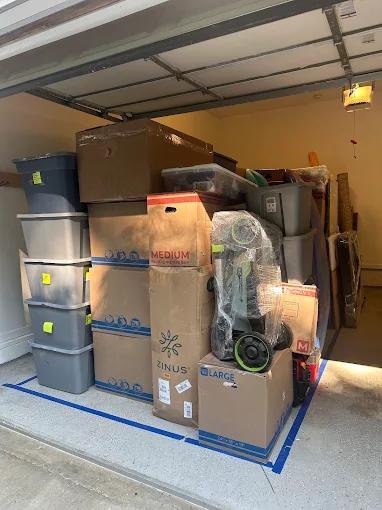
Start by creating an inventory of your belongings and separating them into four categories: items to ship, items to store, items to sell or donate, and essentials to carry personally. Consider the replacement cost, sentimental value, condition, and suitability of each item for your new home.
An accurate inventory also helps estimate shipment volume and obtain a more reliable international move quote. Furniture, appliances, clothing, books, artwork, and other personal effects can all contribute to the overall shipment size.
If your new residence is not ready, or you are still finalizing housing arrangements, international moving storage may be useful. Temporary storage allows you to arrange collection before departure without requiring immediate delivery overseas.
5. Understanding International Shipping Options: Ocean Freight vs. Air Freight
Choosing the right transportation method is one of the most important decisions when arranging shipping household goods overseas. The appropriate option depends on your shipment volume, budget, destination, and how quickly you need your belongings.
Ocean Freight for International Household Goods Shipping
Ocean freight services are commonly used for larger household moves because they can accommodate furniture, appliances, and substantial quantities of personal belongings. Shipments are transported in containers by sea, with different arrangements available depending on the volume being moved.
A Full Container Load (FCL) provides dedicated container space for one shipment. This can be suitable for households with enough belongings to justify a full container.
For smaller moves, less than container load international shipping allows multiple shipments to share container space. This arrangement, also known as groupage or shared-container shipping, can be a practical alternative for people who do not need an entire container.
With shared-container shipping, customers pay for the space their belongings occupy rather than reserving a dedicated container. Availability depends on the destination and consolidation schedules. When comparing overseas container shipping options, consider the shipment volume, estimated transit time, destination charges, and delivery arrangements rather than looking at the initial transportation price alone.
When Should You Consider International Air Shipping?
International air shipping may be suitable for smaller shipments or belongings that need to reach the destination sooner than a larger ocean freight shipment. It can be useful when relocating with limited household goods or when certain personal belongings are needed shortly after arrival.
However, air freight generally involves higher transportation costs, particularly for heavier or bulkier shipments. Compare the estimated cost and transit arrangements with ocean freight before deciding.
Some people choose to send essential belongings by air while arranging international container shipments for furniture and other household items by sea. This approach can help separate immediate needs from belongings that can arrive later.
Understanding International Moving Costs
The cost of shipping household goods overseas depends on several factors:
- Shipment volume and weight.
- Origin and destination locations.
- Ocean or air freight transportation.
- Packing materials and custom crating.
- Customs-related charges and destination handling.
- Storage, insurance, and final delivery.
When comparing international moving quotes, ask what is included in the estimate and whether destination port charges, terminal handling fees, and delivery services are accounted for. A detailed quote makes it easier to understand the overall cost and avoid unexpected expenses.

6. Preparing Household Goods for International Shipping
Proper preparation helps protect belongings during handling, transportation, and extended international transit. Professional international packing and shipping services can be particularly useful when transporting furniture, fragile items, antiques, and valuable household possessions.
Professional Packing and Custom Crating
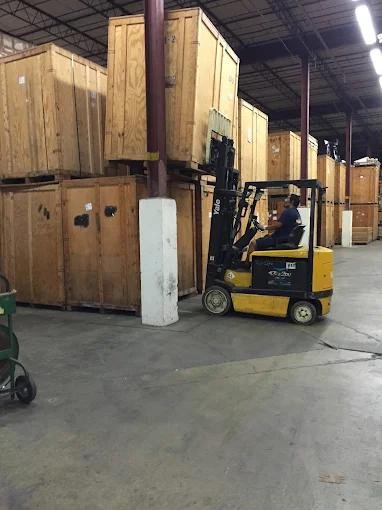
Professional packing involves selecting suitable materials and preparing belongings for transportation. Furniture may require protective wrapping, while fragile items need appropriate cushioning and secure packaging.
For artwork, antiques, and unusually shaped or delicate belongings, custom crating may provide additional protection. Discuss specialist packing requirements with your moving company before collection so the appropriate materials and arrangements can be made.
The Federal Maritime Commission provides practical advice in its Packing for an International Move guide.
Creating an Accurate Shipment Inventory
Maintain a detailed inventory of everything included in your shipment. Record box contents, identify valuable belongings, and photograph items before packing. Check that the final packing list accurately represents the goods being transported.
The FMC International Moving Checklist recommends obtaining written quotes, maintaining an itemized list, and checking belongings promptly after delivery.
Understanding International Shipping Insurance
Even with professional preparation, belongings may be exposed to risks during international transportation. Review the available marine insurance or shipment protection options and understand the coverage, exclusions, valuation requirements, and claims procedures before signing your agreement.

7. Customs Documentation and Destination-Country Import Requirements
Customs clearance is an essential part of international household goods shipping. Each country has its own rules governing the importation of used household belongings and personal effects. Some destinations offer concessions for people transferring their residence, while others impose duties, taxes, documentation requirements, or restrictions on specific items.
Preparing the Required Documentation
Depending on your destination, you may be asked to provide:
- A detailed household goods inventory or packing list.
- Passport and identification documents.
- Visa, work permit, or residency documentation.
- Customs declaration forms.
- Proof of residence or change of residence.
- Additional certificates or permits for restricted goods.
Do not assume that documentation requirements are identical across destinations. Check the relevant customs authority’s official guidance before your belongings are packed.
Understanding Import Restrictions
Certain items, including plants, food products, alcohol, firearms, and some electrical or agricultural goods, may be restricted or prohibited. Requirements vary considerably between countries, so confirm whether any belongings need special permits or should be excluded from the shipment.
If you are relocating with pets, allow additional time for veterinary certificates, vaccinations, and entry approvals. The USDA APHIS Pet Travel guidance provides information on preparing animals for international travel.
Working With Destination Agents
An experienced international shipping company with established destination partners can help coordinate customs documentation, shipment handling, and delivery arrangements. International Sea and Air Shipping works with a global network of more than 600 agents to support international household moves and destination services.
8. Coordinating Shipment Transit, Storage, and Final Delivery
Your personal arrival date and household shipment delivery date may not coincide. Ocean freight shipments, in particular, require advance transportation planning and may encounter delays caused by port congestion, customs inspections, or changes in shipping schedules.
Understanding Transit Times and Shipment Tracking
Ask your moving company for estimated transit times and clarification about what those estimates include. The journey may involve collection, export handling, ocean transportation, customs clearance, and final delivery.
Keep contact details for your moving company and destination agent, and request updates throughout the process. Avoid scheduling essential household activities around an unconfirmed delivery date.
Arranging Temporary Storage
If your new home is not ready when your belongings arrive, international moving storage can help bridge the gap. Discuss storage availability, duration, charges, and arrangements for releasing your shipment when accommodation becomes available.
You should also keep essential belongings accessible during this period rather than relying entirely on your incoming household shipment.
Preparing for Final Delivery Overseas
Before delivery, confirm your destination address, property access, and preferred delivery arrangements. Ask whether your door-to-door international movers can coordinate transportation from the destination port to your residence.
Depending on the service selected, delivery arrangements may include customs assistance, transportation, inside delivery, and unpacking. Inspect your belongings upon arrival and report any missing or damaged items promptly.

9. How to Choose the Right International Moving Company
Selecting an experienced international moving company is an important decision because overseas household relocation involves several transportation and documentation stages.
Start by checking the company’s credentials. For ocean transportation involving household goods to or from the United States, the Federal Maritime Commission regulates relevant ocean transportation intermediaries. Its guidance on Ocean Transportation Intermediaries explains licensing and regulatory requirements.
The FMC also recommends checking that international movers are appropriately licensed and bonded. Its guide to Hiring a Reputable Mover offers advice on identifying reliable providers and recognizing potential warning signs.
When comparing companies, consider:
- Experience handling shipments to your destination.
- Availability of ocean freight and air freight services.
- Full-container and shared-container options.
- Professional packing and storage arrangements.
- Customs assistance and destination agent networks.
- Transparent quotes and clearly defined service inclusions.
- Insurance options and customer support.
The FMC’s Moving Dos and Don’ts also recommends obtaining written estimates based on an actual assessment of your belongings rather than relying exclusively on rough telephone or online estimates.
Look beyond the initial price and consider whether the company can coordinate the different stages of your relocation. Comprehensive door-to-door international relocation services can simplify communication between origin and destination and make it easier to manage the move as one coordinated process.
Plan Your Overseas Move With Us
Planning an overseas relocation involves coordinating numerous details, but an experienced moving partner can make the process easier to manage. At International Sea & Air Shipping, we provide comprehensive international relocation services, including professional packing, ocean and air freight, groupage shipping, storage, customs assistance, and destination delivery. With more than 78 years of experience and a global network of over 600 agents, we help individuals and families organize household moves from the USA to destinations around the world. Request a free international moving quote from ISAS to start planning your move today.