
What Are the Top Rome Neighborhoods for American Expats?

Get a Free Moving Quote Now!
Start Your International Moving Journey




One of the biggest decisions American expats need to make is where to live in Rome. It is a city of quaint historic streets, modern conveniences and neighborhoods as different from one another as their residents are. Your neighborhood selection is a major one — your daily routine, weekday commute or where you buy groceries, socialize and enjoy nightlife are all decided by it.
The eternal city has something for everyone. Some areas have pulse and energy; some are all peace and picket fence. Learning the vibe, cost of living and community of each will help expats integrate more quickly and enjoy life in the Eternal City.
Where Do American Expats Live in Rome?
American expatriates often settle in neighborhoods that feel rich with culture but that are also relatively easy to handle. Trastevere and Monti, near the likes of the open-air market in Campo de’ Fiori, draw people who like to be out and about and among others. Families are attracted to Parioli and Prati for space, safety and schools.
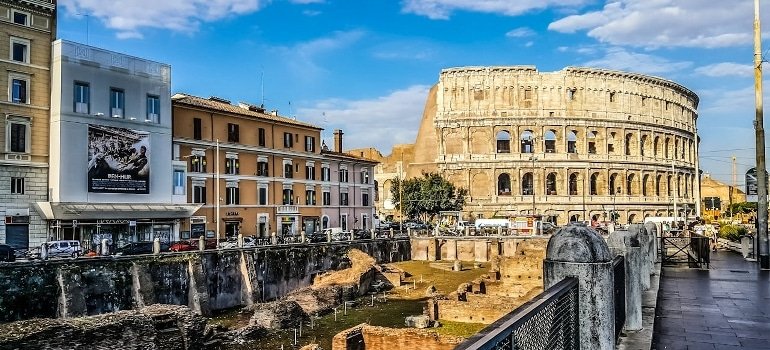
More affordable options like Testaccio and Garbatella also cater to this last crowd, those looking to experience the city “like a local” but without having to pay higher rental costs. If the move is on your horizon, here’s how you can experience these neighborhoods, while many expats use international moving services including international shipping and moving to Italy from USA guides if they are in the midst of planning.
Why Do So Many Americans Choose Trastevere?
Trastevere Among Rome’s most happenin’ neighborhoods. Its cafes and trattorias, its artisanal shops, run down cobblestone paths plied day and night. There’s a strong contingent of young professionals, creatives and foreign students, while its abundance of English-speaking services help newcomers feel like they belong fairly promptly.
The neighborhood is filled with dining options — from classic Roman pasta places to wine bars softening social life. Public transport is an easy commute, but many locals walk or cycle to discover secret squares and gardens.
One-bedrooms run from €1,300 to €1,800; two-bedrooms from €1,900 to €2,600. General monthly expenses for one person are €1,600-€2,200.
What Makes Prati So Appealing?
Prati is refined and ordered, with broad streets and boutique shopping. Posh hotel and also close to the Vatican, so you can go places people don’t let their tourists out and about. Families are attracted to the area because it is peaceful, safe and features good schools.
In these main boulevards, the crème de la crème will stand to invite you cafes and restaurant in a stylish way of living, boutiques with specialties. The transport is very good and you can reach anywhere in the city with metro or bus. It has tranquil green spaces where children play and residents relax.
In Prati, singles can generally expect to pay around €1,400 to €1,900 a month for a one-bedroom and €2,200 to €3,000 a month for a two-bedroom. Families typically pay about €3,500 to up to €4,200 a month for living costs.
Why Do Expats Pick Centro Storico?
Centro Storico will place you right at Rome’s middle-aged charm. The interiors reflect the history of Rome with configurations that have residents living just moments away from such landmarks as the Pantheon, Piazza Navona and Campo de’ Fiori. Streets are charming and historic yet jammed with tourists, it’s a hopping scene.
Many expatriates appreciate the walkability and the proximity of small shops, bakeries and cafés. Supermarkets are relatively few, so grocery shopping might get a bit more expensive, but markets like Campo de’ Fiori will already have you covered for fresh produce on a daily basis.
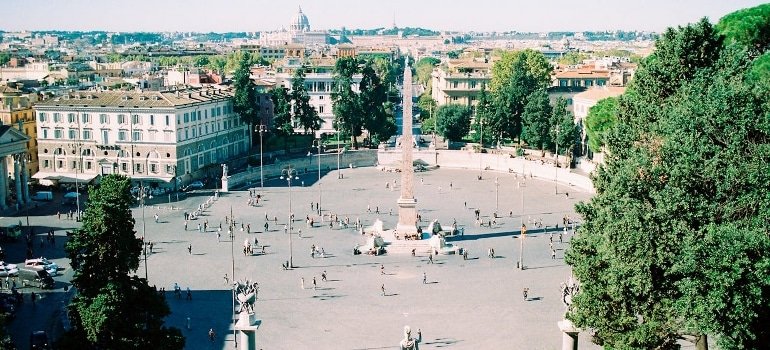
Centro Storico average rents are €1,600–€2,400 for a one-bedroom and €2,700–€3,800 for a two-bedroom. Monthly costs for expats typically range from 2,000–2,700€. Its historic streets and nocturnal vibe draw anyone in search of the timeless Roman foreplay.
What Attracts Expats to Monti?
Monti, which offers a lively bohemian atmosphere with wine bars, espresso cafés and indie boutiques. It suits young professionals and digital nomads already, the sort who can appreciate its buzz, which is not somewhere-between-hihgly-jacked-on-caffeine-and-way-over-the-difference-sober that of Trastevere.
The neighborhood even has a weekend arts-and-crafts vintage market, Mercato Monti. There’s public transportation, linked to the rest of Rome by metro and bus lines.
One-bedrooms rent for €1,200 to €1,700 (about $1,340 to $1,900), and a two-bedroom in the range of about €1,900 to €2,600. Lunch costs €1,500–€2,100 per person. An expat’s favorite for its mix of history, culture and affordability Monti is the sort of neighborhood that one might read about in a Lonely Planet guide.
Why Is Parioli a Top Choice for Families?
Parioli is one of the most exclusive residential districts in Rome, Italy. Its feel is also vague: green streets, villas and roomy condos. Quiet streets and some international schools, like Garrett’s grammar school, draw families to Parioli; the neighborhood is also close to parks like Villa Ada.
There are also embassies and professional firms based in the neighborhood making it a safe community. You can have some swank restaurants, coffee shops and boutique stores for an elegant way of life.
Rents are pricier in this area: One-bedrooms go for €1,500 to €2,000 and two-bedrooms for €2,400 to £3,300. Average living costs per family and month are €4,000 and €4,800. It’s a winning combination: safety, comfort and green space for many longer-term expatriates.
Why Do Americans Love Testaccio?
Testaccio is well known for its lots of roman lifestyle. Its food market, neighborhood trattorias, bakeries and nightlife give it an atmosphere of real community. Many expatriates are drawn to its quieter pace than the touristy areas.
It has great transportation, with plenty of buses and metro stations nearby. And area amenities, including cultural institutions and parks, are walkable so life is simple.
One-bedroom houses rent at €1,000 to €1,400 and two bedrooms at €1,600 to €2,200. The average monthly costs for the cost of living (rent, food etc.) are usually between €1,300 and €1,900. It’s also the real deal, good value and cute as anything.
Why Is Campo De’ Fiori Area Popular?
These neighborhoods in the middle of town are vibrant and beautiful. Streets markets, cafés and piazzas brimming with ancient architecture make for an lively social scene. This is a neighborhood for expats who seek culture, dining, and entertainment.
The districts can feel noisy, if lovely in their own right — the tourists bring energy that’s not for everyone. The neighborhood offers a deli and local diners on one hand, to the pagentry of evening strolls past famous landmarks.

Picture-postcard streets, markets and lively piazzas are all within easy walking distance from Campo de’ Fiori and Piazza Navona. One-bedrooms rent for €1,500 to €2,200 and two-bedrooms for €2,400 to €3,200. Depending on the individual circumstances, monthly costs for singles amount to €2,100 – €2,800.
Why Is Aventino Considered Exclusive?
Aventino is tranquil, verdant, sophisticated. Villas, embassies and gardens offer a peaceful escape near the heart of the city. Its walkable streets, signature parks, local cafes and ease of transport provide an unfussy lifestyle that is especially appealing if you’re an expat who values privacy and tranquility.
Walking paths and parks provide relaxation, and nearby cafés and shops handle day-to-day needs. It’s near public transportation, and there are bus and metro lines to the city center.
One-bedrooms typically range from €1,600 to €2,300 and two-bedrooms between €2,700 and €3,600. Running costs of families are up to (between)€4,200 and€5,000 a month. Aventino is the one for those who stay longer and seek some luxury in town.
Why Is Garbatella Becoming More Popular?
And Garbatella is cheap charming. The 1920s garden-style homes give it the feel of a village, and the people who live there — both young professionals and older couples — draw in many newcomers. Line B of the metro makes getting around easy, there are lots of cafés, shops and green pockets around.
The city is supported by Metro Line B and everyday life is enriched by local cafés, shops and pocket parks.
One-bedrooms rent for €900 to €1,300 and two-bedrooms for €1,400 to €1,900. Monthly living costs usually range from €1,200 to €1,700. It’s one of the favorite spots for first-time expats, thanks to its character and value.
What Draws Expats to Flaminio?
Basically Flaminio is filled with streets, trees and great transportation links. There’s plenty to savor without feeling overwhelmed by crowds — from coffee shops and restaurants to cultural attractions.
Wide streets, the lots have trees growing up in them everywhere and public transport is easy to navigate. Coffee shops, restaurants and cultural destinations provide an easy retreat without feeling overcrowded.
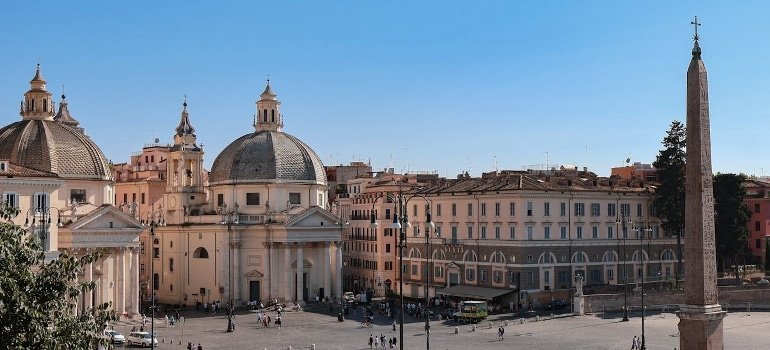
A one-bedroom goes for €1,100 to €1,500 and a two-bedroom for €1,700 to €2,300. €1,400 – €1,900 per month for a single expat. It is just right for anyone who wants to live where culture and convenience intersect.
Which of These Top Rome Neighborhoods for American Expats Fits You Best?
Nightlife enthusiasts opt for Trastevere, Monti or Campo de’ Fiori. Families choose Prati, Parioli or Aventino for their security and room. For expats in search of a more “real” Roman experience, and at a budget price, they might choose Testaccio, Garbatella or Flaminio. Centro Storico is for historical landmarks at your fingertips.
Starting early, like reading relocation guides to moving to Italy from the US, would make it easier for housing inquiries to synchronize with shipping and relocation timeframes. There is a Rome neighborhood for every type of lifestyle, and with the right pick, transitioning can be seamless & pleasant.