
GET A FREE MOVING
QUOTE NOW!
Should You Ship Household Appliances When Moving to Another Country?
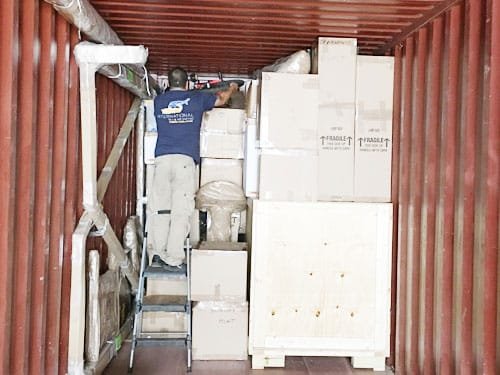
When preparing for an international relocation, deciding which household belongings to take can be challenging. Appliances often represent a significant investment, so leaving them behind may seem wasteful. However, transporting large electrical items overseas is not always practical. Before arranging shipping household appliances overseas, consider their electrical compatibility, dimensions, replacement costs, and import requirements.
Check Voltage and Plug Compatibility
One of the first things to investigate is the electrical supply at your destination. Countries can use different voltage levels, frequencies, and plug configurations. For example, the United States generally uses a 120-volt, 60-Hz supply, while many countries use 220 to 240 volts at 50 Hz.
An appliance designed for one electrical system may not operate safely or correctly on another. Check the manufacturer’s rating plate, usually located on the back, underside, or power supply. If it lists a range such as 100-240V, the appliance may support multiple voltages. A single-voltage appliance may require additional equipment or may simply be unsuitable for use abroad.
Remember that a plug adapter changes the connection shape, not the voltage. The US Department of Energy explains some of the differences between electrical systems in its guide to electricity and international power supplies. You can also consult Electrical Safety First’s guidance on using electrical appliances abroad.
Consider Size and Transportation Requirements
Large appliances such as refrigerators, washing machines, dryers, and freezers take up considerable space in a shipping container. Their weight and dimensions can also influence loading arrangements and the overall volume of your household shipment.
Before deciding to ship one, measure it carefully and check whether it can be disconnected, drained, and prepared according to the manufacturer’s instructions. Refrigerators and freezers may require additional preparation before transportation.
Compare Shipping and Replacement Costs
The decision should also make financial sense. Consider the appliance’s age, current condition, expected remaining lifespan, and replacement price at your destination. Compare these factors with the estimated transportation expenses, including packing, freight, customs duties, and any applicable destination charges.
An older appliance may not be worth transporting, particularly if replacement models are readily available overseas. However, a newer, expensive, or specialized appliance may justify the additional expense.
Your international moving company cost will depend partly on shipment volume and the services required. Discuss the appliance dimensions with your international residential movers when requesting an estimate for shipping household goods overseas.
Make an Inventory Before Packing
Separate appliances into three categories: items you definitely want to take, items that need further research, and items that are better sold or donated. This makes it easier to plan your international moving services and avoid paying to transport belongings that may not be useful abroad.
At International Sea & Air Shipping, we help customers evaluate their household shipments and organize overseas relocation shipping. We can review your inventory, discuss transportation options, and prepare a moving quote based on your requirements. Contact us to start planning your international move.