
What is Freight Forwarding?

Get a Free Moving Quote Now!
Start Your International Moving Journey




If you’re new to international moving in trade, you might not be aware of freight forwarders and what services they provide to people shipping their belongings overseas. As freight forwarding is an important aspect of international logistics and trade, freight forwarders act as the bridge between shippers and carriers so they experience a hassle-free experience of moving their goods across the overseas borders.
Freight forwarders offer extensive services that include helping with planning, coordinating, managing transport, and executing moving services to ensure the goods reach their destination safely and securely.
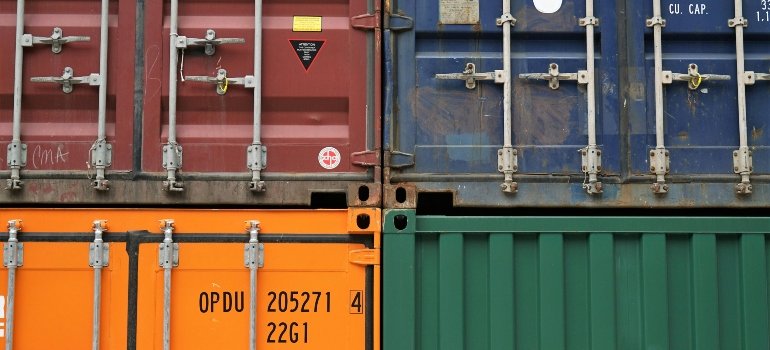
To put it simply, freight forwarding is a beneficial way to move various elements and create a seamless process of international trade. In fact, freight forwarding companies make sure that the goods are transported correctly, following all customs and law rules and the requirements of both countries.
How Freight Forwarding Works?
It is undoubtedly true that freight forwarders are excellent professionals to ease your international logistics, but they come with their own challenges, especially if you fail to opt for a trusted one. With no experience, you will be left with questions:
- How can you identify the top freight forwarder in your region?
- Where to find a legally acceptable company for the service?
- What are the services we can rely on them for?
- and so many more questions alike
To make it easier for our international movers, here are some tips and a guide to help you understand how the freight forwarding works:
Initial Consultation
The first step to the freight forwarding process is an initial consultation between the freight forwarder and the potential international moving company. During this consultation, the potential shipper is given a chance to understand everything about the service chosen, the mode of shipment, delivery time, and more. Similarly, the freight forwarder obtains information about the shipment requiring cross-border movement, its dimensions, and the destination.
Planning and Logistics
After collecting all the details required, the freight forwarder creates a strategic plan about the moving of the goods and the services involved. In this plan, the freight forwarder also mentions the details of transport, such as by ocean, air, rail, and more, based on the efficient route available.
Documentation and Customs
Paperwork and customs are an important part of the moving process. Often this process needs additional focus and a more strategic approach. Hence, freight forwarders commit to handling the challenges and complexities of this procedure. In this, they handle the preparation of bills of lading, the creation of commercial invoicing, the preparation of packing lists, the safeguarding of certificates of origin, and all similar required paperwork.
Carrier Selection
Freight forwarders have a vast network of carriers, from shipping lines to airlines, trucking companies and other suitable providers. Based on the mode of transport, the most suitable carriers for the shipment are suggested. So in this aspect, the freight forwarders also take the initiative to secure cargo spaces and negotiate rates to ensure timely delivery.
Cargo Consolidation
As smaller shipments do not require a full container, freight forwarders also take the effort to consolidate multiple smaller shipments into a single big shipment. Often called cargo consolidation, this practice is done to best use the shipping space and also make the shipping more cost-effective.
Cargo Insurance
Insurance is a useful way to secure belongings if any kind of loss occurs during shipment. Freight forwarders also provide this kind of benefit, which gives you an advantage in keeping your goods secure from any loss or damage during transport.
Shipment Tracking
Freight forwarders use sophisticated communication networks like Transportation Management Systems (TMS) to keep the shipper updated with accurate information and real-time tracking information. One of the benefits the shipper gets in this regard is that there is complete transparency in the process.
Customs Clearance
Freight forwarders work closely with the authorities at the customs department of the port of departure or airport. Therefore, they will handle all compliance-related paperwork and handle any delays with ease.
Final Delivery
After every step is successfully covered and the shipment clears customs formalities too, the shipment is released by the freight forwarders to make the final delivery to the signed destination. During this process, all aspects related to coordination with transport providers for the arrangement of pickup at the port, the freight forwarders ensure you get all services securely and safely.
Post-Shipment Support
Once the shipment reaches the final destination, freight forwarders provide support for resolving any after-issues that may arise or addressing any concerns the shipper has regarding the service.
What Does a Freight Forwarder Do?
The major job of a freight forwarder is to ensure that your shipment reaches the new destination in time, safely, and in the most cost-effective way. While you deal with international movers at your local origin and at the new destination, the freight forwarder will take care of everything that happens in between.
They are completely responsible for your household goods and other belongings during the transit. Furthermore, the job of your freight forwarder is to guide you through the customs clearance process, get the documents processed at the new port, and coordinate with the destination agent to clear your shipment.
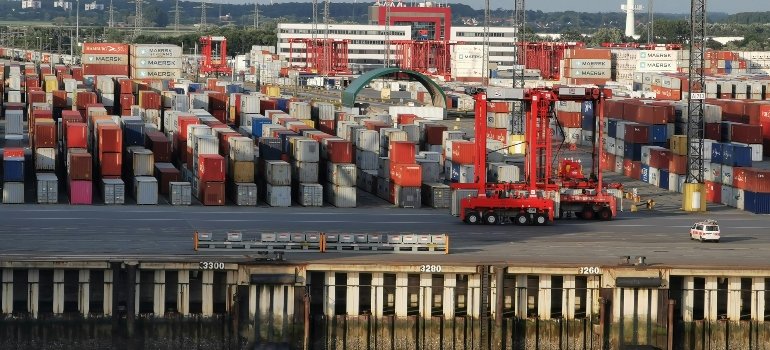
They will help connect you with other international moving services you may need. One of the perks of using a freight forwarding service is having established connections with other carriers, such as air shipping, ocean shipping, and ground transport services. Whatever services you require for your move, freight forwarders can help you find what you need.
What are Types of Freight Forwarding?
Freight forwarders help you transport your goods through various modes depending upon the new destination you have selected, transit time, cost, and the size of the shipment. Some of the most common methods used in freight are as follows:
- Ocean Freight: In this method, the sea is the main mode of transport. This method is usually suggested to transport large-sized shipments that are non-urgent cargo
- Air Freight: If one is looking for a time-sensitive method of shipping and also the shipment includes high-value items, this method is suggested. The shipment is transported at a high speed through airways
- Land Freight: For shipments that can be transported domestically, the land freight method is used. In this method, the goods are moved through trucks or similar large vehicles. There are two approaches in this regard:
- By Rail: Goods, especially those that require long-distance coverage, are moved through rails
- By Truck: If one is moving the goods from a small town to another town, this method is most considered
- Multi-modal Freight: This method helps the freight forwarder move the shipment through various modes for an end-to-end delivery
- Intermodal Freight: In this method, standardized containers are moved between different modes of transport
- Project Cargo Forwarding: This method involves handling complex and oversized shipments. Handling complex and oversized shipments
- Refrigerated Freight: This method is best suggested for goods that require shipment under controlled conditions or are temperature-sensitive
- Express Parcel Services: This kind of method is used when very small-sized packages are to be shipped on an urgent basis
How to Find a Freight Forwarder?
There are numerous freight forwarders who claim to provide trusted services. However, the right way to find the best one for you is by following the below steps:
- Firstly, conduct thorough research on the most reputable and accessible freight forwarders.
- Check for relevant licensing; ensure they are verified and are accredited for compliance.
- Read customer reviews and testimonials to understand the reliability of the company.
- Discuss all your requirements with their freight forwarder and ask them for a custom strategic plan.
- Be in touch with your freight forwarder because communication is also one of the prime aspects of your service.
- Ensure that you receive a complete quote and invoice so as to avoid any kind of last-minute charges.
- It is always best advised to sign up for a service contract that details out all conditions and terms of the chosen service, prices agreed upon, and more. This will help you keep yourself and the freight forwarder carrying the service in all transparency.
- If possible, locate the freight forwarder’s office and visit in person to obtain more information and ensure your satisfaction.
What Are the Benefits of a Freight Forwarder?
Freight forwarders are essential to the global supply chain, and they help businesses that ship and trade goods around the world in many ways. Here are some of the most important benefits of hiring a freight forwarder.
- Expertise in international shipping and logistics
- Tailored shipping solutions for cost-effectiveness and timely delivery
- I am responsible for handling the necessary paperwork and navigating through the customs clearance process
- We manage risk by implementing cargo insurance and adhering to best practices
- The process involves integrating shipments with various storage or warehousing options
- This approach not only saves time but also allows businesses to concentrate on their core operations
- Our extensive network and connections enable us to offer better rates and tracking services
- Scalability to meet different shipping needs
- Cost-effectiveness through negotiation and optimization
- Peace of mind knowing goods are in capable hands
FAQs
What is the difference between logistics and freight forwarding?
Logistics covers the overall management and movement of goods across the supply chain. Freight forwarding is a part of logistics that deals with setting up transportation for shippers.
Is FedEx a freight forwarder?
Yes. Besides parcel delivery, FedEx also functions as a freight forwarder, coordinating and moving larger shipments for shippers.
What is traditional vs digital freight forwarding?
Traditional freight forwarding involves the use of paperwork and manual processes. Digital freight forwarding uses technology and the internet to do things like keep track of shipments, make reservations, and manage the whole process.