
Moving To Germany From US
Moving to Germany can be a smooth and rewarding experience with the experts at International Sea & Air Shipping by your side every step of the way.

Get a Free Moving Quote Now!
Start Your International Moving Journey




Germany is the largest economy in the European Union. As such, the country offers lucrative work opportunities for American expats willing to relocate to Germany. However, even though moving to Germany from the USA appears to be an exciting adventure it requires careful preparation. At International Sea & Air Shipping, our dedicated relocation experts will assist you in your move to Germany from the US to make the relocation simple, efficient, and stress-free.
Germany is one of the top destinations for American experts to move to. The country offers high quality of life, work-life-balance, top-notch healthcare facilities and exciting recreational activities. Whether you are moving alone or with your family, Germany has something for everyone! Understanding the documentation to relocate to Germany and navigating daily life post your relocation will be the key steps for a successful and stress-free international move.
The International Sea & Air Shipping team manages every detail – from packing and shipping to customs clearance and final delivery. With years of experience handling moves to Germany, we understand the country’s specific import requirements and ensure your belongings arrive safely and on schedule. So, Contact our expert team today to start planning your relocation with confidence.

About Germany
Germany, located in the heart of Europe, is a country admired for its rich history, vibrant culture, and strong economy. As the largest economy in the European Union, it provides an exceptional quality of life, efficient infrastructure, and a high standard of public services. This country is in the top list for American expats to relocate to for attaining a better quality of life, career growth, and cultural experiences.
Cosmopolitan Germany, especially capital city Berlin and other leading cities like Munch, Frankfurt – these offer a high blend of modern facilities along with rich socio-historical charms. Munich is known for its Bavarian charm, world-famous Oktoberfest, and cutting-edge industries. Frankfurt stands as a major financial center while maintaining a rich cultural scene with museums and theaters.
The country offers incredible diversity in its landscapes — from the snow-capped Bavarian Alps in the south to the sandy shores of the North and Baltic Seas in the north. Germany’s scenic countryside, dotted with castles, vineyards, and forests, offers endless opportunities for outdoor exploration.
With its balance of modern innovation, cultural depth, and natural beauty, Germany stands as one of Europe’s most inspiring and livable countries.

Visa requirements to move to Germany from the US
Understanding the visa process is crucial to your move to Germany from the US. As an American citizen you can enter Germany and stay there up to 90 days without a visa. But if you are planning to stay longer in Germany, whether for work or education or seeking a permanent residency, there are different visa types that you will need to avail as per your requirements.
Here is a list of some of the widely availed visa types to move to Germany –
Job seeker visa
Although you can utilize the 90 days visa-free stay option to look for a job, there is a visa that allows you to stay in Germany for 6 months to stay and look for work opportunities.
Work permit
With a job seeker visa you cannot immediately start working in Germany. For working and staying in Germany you need to avail the work visa or work permit. To apply foir this visa type you will first have to secure a job from a German employer.
EU Blue Card
Germany has a wide range of work opportunities for skilled professionals. The EU Blue Card visa is for those who are in the premium earning group and with a salary ranging anywhere between €48,300 and €43,760.
Freelance visa
The freelance visa, which is also called, Freiberufler, is dedicated for self-employed professionals. Professionals working in the areas of writing, designing, consulting, can seek this visa to support their stay in Germany. Entrepreneurs, who want to open a business in Germany that can benefit the German economy, are also eligible for a freelance visa.
Student visa
Germany is known for its world-class education system and high quality of education. The cost is relatively low compared to education in the US. A student visa is readily available post submission of all necessary proofs.
Family reunification visa
This visa type allows one to move to Germany if their registered partner or spouse or a close family member, who holds a German residency, lives in this country. This family reunification visa can help in getting a German residency permit faster.
A list of the essential documents for German visa application
Here is a list of some of the essential documents that you will need for applying for a German visa –
- A valid passport with at least 6 months validity
- Supporting documents for the visa type. For instance, you will need a job contract when applying for a work visa.
- Visa application fee
- Completed visa application form
- Valid proof of financial means
- Health insurance which is accepted in Germany
- Proof of residency in Germany
- Biometric photos
Please note, once you avail appropriate visa related to the reason for your move to Germany from the US and you arrive in Germany, you have to register your address with the local registration office. Once you are through this process then you will have to apply for a residency permit. The validity of a residency permit will vary based on your visa type. Typically it will allow your stay for 1-3 years.
Top Cities for an American Moving to Germany
Germany offers a variety of cities that cater to different lifestyles and preferences, making it easy to find the perfect place to call home. Whether you enjoy fast-paced urban life, rich history, or a peaceful atmosphere, Germany’s cities provide great opportunities for work, leisure, and exploration.
- Berlin: The capital city, known for its vibrant arts scene, historical landmarks like the Brandenburg Gate, and a welcoming international community.
- Munich: A city rich in Bavarian culture, with excellent job prospects in tech and automotive industries and access to the scenic Alps. Popular neighborhoods like Schwabing, Haidhausen, and Glockenbachviertel offer distinct vibes — from artsy and vibrant to family-friendly and calm — reflecting the best neighborhoods in Munich for expats and families
- Frankfurt: A financial hub with a modern skyline, a strong expat presence, and easy connections to other European destinations.
- Hamburg: A port city offering a maritime charm, stunning waterfronts, and a relaxed way of life.
- Stuttgart: Famous for its automotive industry, picturesque vineyards, and a balance of innovation and tradition.
- Düsseldorf: Known for its thriving business scene, modern architecture, and dynamic cultural life.
- Leipzig: A growing city with affordable living, a creative atmosphere, and a deep connection to music and the arts.
How to find jobs in Germany?
If you want to work and live in Germany as an American expat, then there are many opportunities awaiting you. Skilled professionals in different fields like IT & Technology, healthcare, and engineering will have many lucrative opportunities in Germany.

There are more opportunities for work in the cosmopolitan areas compared to the outskirts. Let us present this to you step by step so that you can make an informed decision while looking for jobs in Germany.
Germany has skill shortages in a number of fields leading to lucrative work opportunities for Americans. There are many online job boards where you can find out the current vacancies. In general, here is a list of specialized areas where you can search for openings –
- Civil engineer
- Electrical engineer
- IT Consultant
- Data Analysts
- Scientists
- Mathematicians
- Healthcare professionals
Some of the top listed international employers in Germany includes names like –
- BMW
- Bosch
- Allianz
- Daimler
- Siemens
Being proficient in German language will undoubtedly help in navigating work opportunities and landing good job offers. However, here is the good news! Germany has many English speaking job opportunities, which may appeal to the American job seekers. Some of these include –
- Teaching English as a Foreign Language
- Childcare & other health professionals
- Quality assurance
- Digital marketing
- UI/UX Designer
Be mindful that different cities in Germany will have different work opportunities. While in Berlin, you may find lucrative job opportunities in the hospitality, healthcare sectors, in Frankfurt there are more opportunities in logistics, IT and banking sectors.
Being aware of the different visa types that allow you to search for jobs in Germany or work and live in Germany will help you navigate through the documentation processes effectively and settle in Germany as an American expat.
Cost of Living in Germany
Germany is the largest economy in Europe. The country provides upscale and high quality facilities and living conditions from accommodation to transport, healthcare and social security. The cost of living in Germany varies greatly based on the location you are choosing to settle down.
However, here is a ball-park figure of different amenities and services for leading daily life in Germany –
For a student the monthly cost of accommodation in Germany can range between €3500-1300 while for a single adult it will be more than €600 based on the preference of accommodation and also the location. Similarly, food cost will range between €180-250 for a student and €250-400 for a single person. On utilities a single person may need to have a budget of €90-150 per month based on the consumable services like electricity, internet connection etc. Public transport in general, may cost around €150 per month for an individual.
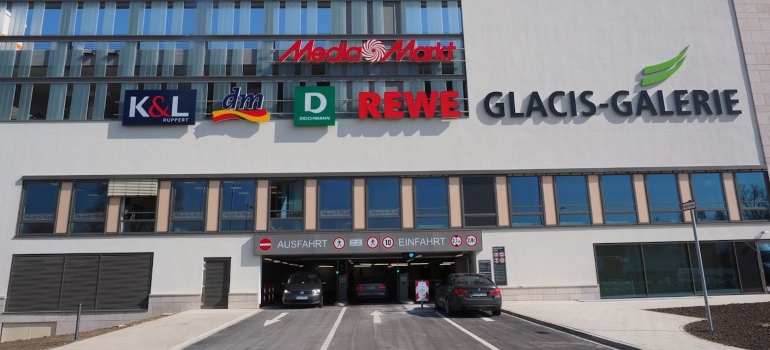
Germany provides excellent value for money across housing, groceries, and services.
- Housing: Rent for a one-bedroom apartment averages €854 in city centers and €627 outside.
- Groceries: Essentials like bread cost about €2.10, and a liter of milk is around €1.22.
- Public Transport: Monthly passes are approximately €55.90, and gasoline costs €1.95 per liter.
- Dining: A meal for two at a mid-range restaurant is about €50.
All these costs will go up when you are moving to Germany from the US as a family. This may go up to €3500 per month. Other factors that will impact the cost of living in Germany include –
- Semester fees
- Location
- Housing type
- Transport
- Lifestyle
- Healthcare/insurance
Living in Germany as American
When you move to Germany from the US there are quite a few list of things that will change in your daily life. To list a few –
Work-life-balance: In Germany there are shorter working hours, no obligation to be available after work hours and a great deal of emphasis is placed on personal time off/holidays. Naturally, these lead to a good balance in daily life.
Recreational opportunities: Germany, with its varied landscapes offer a wide range of adventure and recreational activities. From camping to hiking or simply going sight-seeing, the country has something for everyone and for every age group. The well-maintained public parks dotting even the big cities are great spots to explore and expand social connections and get to know your surroundings.

Moderate cost of living: Yes, you heard that right! Compared to eating out and staying in New York, the same activities and daily cost is lower in Berlin, the capital city of Germany, where how much it costs to live in Berlin now reflects a balance between affordability and quality of life. Considering Germany is Europe’s largest economy, this comes as a welcoming surprise.
Public Transport: Germany doesn’t only have good public transport but boasts of fabulous public transport systems that are efficient and cost-effective. The train system is a good means to explore the country with your family and friends.
Other facilities: Germany has some of the great universities in the world and the country offers free education even in the universities! Healthcare is universal and very efficient. The high quality of food items and drinks, lower cost of life – all these add to enhance the quality of life in general.
However, though learning the language will definitely be a plus in social gatherings, you may notice people prefer their personal space and may take time to be considered friend from acquaintance.
Climate or Weather
Germany has four distinct seasons with temperate weather. The summer months are warm and winters are cold. When you are moving to Germany from the US, consider packing your clothes accordingly to be ready for each season.
Based on the location of your stay you may come across a little variation in the weather, but overall, all through the year you will need to dress in layers.
If you are choosing to live in the northern Germany side you will experience more rainfalls but mild climate as here North sea influences the climate. The southern part of Germany has warmer summer months and equally cold, snowy winters. But east Germany will beat the south in extremes. On the eastern side of this country both the summer months and the winter months are equally extreme!
Healthcare
World-Class Healthcare System
The first thing to keep in mind when you are moving to Germany from the US is that your American health insurance may not suffice in Germany. You will need to have German health insurance as per your income and residency type.
That said, Germany’s healthcare system is one of the best globally, offering comprehensive coverage to residents. Almost 90% of German residents are covered under the public health insurance, which offers comprehensive coverage. Unlike in the U.S., healthcare in Germany is largely government-regulated, providing access to quality medical services at affordable rates. Both public and private health insurance plans are available, ensuring flexibility and peace of mind for families and individuals.
However, you cannot choose the type of health insurance you will get. This is because the health insurance type is determined as per income capacity of an individual. Here is a quick look at both the public and private health insurances for a better idea –
The mandatory public health insurance also known as Gesetzliche Krankenversicherung, GKV, is covered by the employer where approximately 14.6% is deducted towards this insurance premium. GKV offers all in and out patient treatments, dental care, pregnancy, child birth and other medical aids. The benefits are even extended towards the immediate family members who are not earning.
On the other hand, the private health insurance also known as Private Krankenversicherung, PKV, are generally available to those whose annual income is higher than the average annual income in Germany. This insurance is also applicable to those international students whose age is over 30 years and to those visa holders who have not yet received residency in Germany. The premium for this insurance depends on the age, health condition etc.
In general, everyone is required to have the necessary healthcare insurance to avail healthcare services in Germany.
Exceptional Quality of Life
Germany offers a balanced lifestyle, emphasizing family time, outdoor activities, and personal well-being. The country’s focus on environmental sustainability, coupled with a well-developed infrastructure and accessible cultural amenities, makes it an ideal place for raising children or enjoying a fulfilling retirement.
When you are moving to Germany from the US there are a few key areas that you need to be aware of. Here we list a few –
Strict adherence to rules: As a culture you will find people strictly adhere to rules be it the traffic rules, punctuality in everything and in other areas of life.
More reserved social interactions: Small talks versus managing your own business is common in German social scenarios. However, knowing the language well can help you in social gatherings and in daily life.
Strict distinction between work & personal life: The work culture in Germany places considerable importance to personal time after work and discourages work during downtime or family time. You will find Sundays are generally quiet and people spend quality time with their families or pursuing personal interests.
In general, to an American expat the pace of life in Germany may appear slower but very well structured leading to high quality of life.
Customs Regulations for Germany
Documents required to move to Germany
- Copy of Passport (the page showing photo)
- Copy of Visa and/or Work Permit (for foreign citizens only)
- Foreign citizens must obtain a Work Permit (Arberterlaubnis) issued by the local employment office
- Residence Visa (not needed for German nationals) or Residence Permit (granted only after a Work Permit has been issued)
- Inventory (original) in German or English, valued, dated and signed by the customer
- Signed declaration, stating the imported goods are the owner’s personal effects
- Signed declaration, stating the imported goods are not subject to any Customs restrictions (e.g. drugs, weapons, etc.)
- Signed declaration that no taxable high value goods (such as alcohol, tobacco, coffee, tea, guns, etc.) are in shipment. Such goods must be listed separately and will be taxed.
- Statement of Transfer from employer (in German if possible)- should state the shipper was an employee for the company abroad, how long he/she has lived in this country, and how long he/she will remain an employee of the company in Germany
- Certificate of Registration with the German police (“Polizeiliche Anmeldung”)
- Certificate of Registration (Anmeldebestaetigung) from the local registration office (Einwohnermeldeamt)
- German nationals need a declaration from German Embassy or Consulate confirming their length of stay abroad and exact destination address in Germany. Without this document, shipment will not clear Customs.
- German Customs Form 0350 (Zollantrag) in triplicate, stating goods will not be sold for one year
- Health Certificate may be required
- Copy of Insurance Certificate
- Customs clearance Power of Attorney Form authorizing Destination Agent to act on behalf of the customer in liaison with Customs
Customs Regulations
- CUSTOMER MUST BE PRESENT FOR CUSTOMS CLEARANCE IF ALL DOCUMENTS ARE NOT IN ORDER
- Used household goods are duty-free if customer has resided at least one year abroad, if the goods were owned by the customer over six months and will not be sold for a minimum of one year
- Goods should be imported within one year of customer taking up residence; if not, reasons are needed for delay – maximum three years
- Inheritance items:
- Death Certificate
- “Erbschein” or an official document which certifies the customer has inherited the items from the deceased and states the relationship between them
- Wedding Trousseaux
- Marriage Certificate
- If household goods are imported before the marriage, proof the marriage will take place within two months is required
Prohibited Items
- Guns require a Certificate of Registration, valid passport of owner, proof of ownership, and a gun license for importation
- Duty-free if firearm has been owned for at least six months prior to importing
- Guns must be easily accessible
- Must apply for a German Ownership Permit
- List as last items on inventory, indicate model, caliber and serial number
- Live plants (need special Import Permit)
- Explosives
- Ammunition
- Drugs and narcotics
- Any protected animal or species, dried plant or items of historical significance (ivory, snakeskin, leopard fur, pre-Columbian items, etc.)
- Pornographic material
- Certain types of meat
- Absinthe, methyl alcohol and pure alcohol
- Radioactive material
- Wine, grape juice and other various foodstuffs and consumer goods in large quantity
Restricted/Dutiable Items
- New items, less than six months old (invoice required)
- Alcohol
- Inventory must detail exact number and size of bottles, exact alcoholic strength in percent, and value of each bottle
- Tobacco, tea, coffee, Toilet waters, perfumes
- Foodstuffs in large quantities (do not recommend shipping with household goods)
- Electronic items such as computers, videos, stereos, etc. (must show serial number and have purchase invoice)
- Duplicate appliances or electrical equipment may be assessed high duties
- Large amounts of handicrafts
Motor Vehicle
- Admitted duty-free if customer has lived abroad for over one year, has owned and used the auto for a minimum of six months, if brought in for personal use with household goods and will not be sold for one year
- Cars must be inspected before licensing, comply with German technical and environmental regulations and require modifications
- It is highly recommended that the customer informs the Destination Agent of all auto details prior to importing.
- Documents required:
- Proof of ownership
- Car documents
- German driver’s license
- Owner’s passport
- Owner’s police registration in Germany (polizieliche Anmeldebestatigung)
- Insurance record from country of origin
- Third-party liability insurance that begins with customs clearance
- Declaration of customer that no high value goods are in car
- Origin Registration and copy of title
- Commercial invoice if vehicle is new
- It is highly recommended that the Customer informs the Destination Agent of all auto details prior to importing.
Pets Regulations
- Dogs, cats and canaries are permitted with a Health Certificate (in German or with a translation) issued by a licensed veterinarian describing the animal and stating that the pet is free from rabies and contagious diseases
- Health Certificate is valid ten days from the date in which it was issued (20 days for pets coming from non-European countries)
- All endangered species and exotic animals are prohibited
You’ll typically need a valid passport, visa, or residence permit, proof of health insurance, and financial documentation. If you’re moving with a job, include your employment contract. For a smooth process, check with German authorities or consult relocation experts.
Note – Customs regulations are subject to change at any time. The proceeding information is a brief summary of customs regulations applicable to household goods shipments to this destination and is being provided for general guidance to assist our Agents and Customers. Since such regulations are subject to change without notice, International sea & air shipping cannot be held liable for any costs, damage, delays, or other detrimental events resulting from non-compliance. Always double check with your local embassy or consulate.
What to Know Before Moving to Germany
Moving to Germany from US means more than just adjusting to a new address; it involves embracing a rich culture and unique way of life. Here are some important and fun facts about living in Germany that might surprise you:
- Language Skills: While many Germans speak English, especially in major cities, learning German enhances your experience. It helps with making local connections and understanding cultural differences.
- Recycling Culture: Germans take recycling seriously, with color-coded bins for different types of waste. This eco-friendly approach reflects their dedication to sustainability.
- Free Higher Education: All 16 German states offer tuition-free university education, even for international students. This makes it an attractive destination for families and students.
- Work-Life Balance: Germany values leisure and family time. Most employees enjoy at least 20 days of paid vacation annually, and the standard workweek is shorter than in the U.S.
- Rich History and Architecture: Germany has over 2,500 castles and 46 UNESCO World Heritage Sites, showcasing its rich historical legacy.
How International Sea & Air Shipping Can Help with Moving to Germany
International moving to Germany can be complex, but International Sea & Air Shipping makes it stress-free. We provide complete solutions for every step of your relocation, including packing supplies and expert packing services to protect your belongings for overseas shipping.
Our team also offers specialized services for fine art shipping and international piano movers, ensuring delicate or valuable items arrive safely. For larger shipments, we provide flexible container shipping options—full or shared—tailored to your budget and timeline. We handle customs assistance and documentation so your move stays smooth and on schedule.
What We Offer
- Expert packing services with high-quality packing supplies.
- Fine art shipping for fragile and valuable items.
- International piano movers to transport instruments safely.
- Flexible container shipping for full or shared loads.
- Customs assistance to simplify international moving.

Why Choose Us
As a trusted partner for international moving, International Sea & Air Shipping ensures a smooth, hassle-free relocation. From packing and shipping to customs and delivery, our experienced team handles everything, whether you’re moving household goods, fine art, or specialty items.
FAQ’s
Is it a good idea to move to Germany?
Yes, moving to Germany is a great choice for many. The country offers excellent healthcare, a strong economy, and a high quality of life. Whether you’re looking for career opportunities, education, or cultural experiences, Germany has something for everyone.
Is it hard to move to Germany?
Moving to Germany can be challenging without proper planning, but it’s manageable with the right support. Understanding visa requirements, finding housing, and organizing your belongings are important steps. Working with experienced movers can make the process easier.
How much money do I need to immigrate to Germany?
The amount depends on your visa type and lifestyle. You may need proof of financial resources, usually around €11,000 for a student visa. Additionally, consider moving costs, initial housing, and other living expenses.
How much do I need to earn to live comfortably in Germany?
A comfortable salary depends on the city and your lifestyle. In most cities, earning €2,500–€3,500 per month after taxes is enough for a single person. Families may need more, especially in major cities like Munich or Frankfurt.
What documents do I need to move to Germany?
You’ll typically need a valid passport, visa, or residence permit, proof of health insurance, and financial documentation. If you’re moving with a job, include your employment contract. For a smooth process, check with German authorities or consult relocation experts.