
Things You Can and Cannot Put in Storage When Moving Overseas

Get a Free Moving Quote Now!
Start Your International Moving Journey




Living overseas is an exciting adventure but comes with plenty of required logistics—none bigger than what to do with your stuff. What to take with you and what to store is the key for a smooth landing. Storage might be a functional answer for things you won’t need any time soon, but it’s important to know what can and cannot safely go into storage.
With improper storage, your items could become ruined or at worst, hazardous. By knowing the rules for international storage, you can protect your belongings and ensure all is in good condition when you return home.
Explosive Truths: What Can’t Be Stored
There are very strict rules about what can and cannot be stored in a storage unit. Other items are prohibited, particularly those that could be deemed hazardous or that would fit in the interest of protecting your goods and others. Let’s take a closer look at the most common types of bans.

Flammable Fantasies: Hazardous Materials That Are a Big No
Storing flammable items in a storage unit is not only dangerous but also illegal in most places. That includes gasoline, propane tanks, and some cleaning agents that can catch flames. They can explode or catch fire, so they are dangerous and put everything nearby at risk. Some of the most common hazardous materials you can’t store in a storage unit include:
- Gasoline, propane, kerosene
- Oil-based paints and solvents
- Fireworks and explosives
- Certain fertilizers and cleaning products
These materials are most convenient to throw away or use up before you move out. If you do have to store something that’s indirectly related to the items above, such as lawnmowers or camping gear, make sure it’s emptied and cleaned very well.
Gone Bad: Why Food and Plants Are Storage No-Gos
It may seem harmless to store non-perishable food and plants, but it is a dangerous idea. Food, even in the original sealed packaging, calls critters such as rats and bugs. The last thing you want is to return to a facility and have your storage unit infested with bugs and your items ruined.
But plants are alive, after all. They require water, sunshine, and air to live. If they are stored, they will quickly decompose and may create a slimy mess that is hard to clean up with rotting leaves and soil. Always have an alternative plan for perishables and plants when planning your international move.
Not Worth the Risk: Things You Should Never Put in Storage
And even if certain items aren’t technically prohibited, there are definitely some possessions you should never take the chance of leaving in storage. You might be better off keeping these items under your control or in safer locations, as they are susceptible to loss or damage.
The Uninsured Gamble: Valuable and Sentimental Items
While your storage unit may be secure, it’s not the place for irreplaceable valuables. This can be any jewelry, family heirlooms, and all cash or coin collections. Items like your grandmother’s pearls or rare collectibles should stay in a safer location, such as a bank safe deposit box.
Storage-unit insurance policies may not cover high-value items, so if something happens to your expensive possessions, you could face significant financial loss.

Important Docs Are a No: Protecting Your Passports and Papers
Storing your most important documents, such as passports, birth certificates, and other property deeds, could potentially lead to problems. Papers are susceptible to damp air, heat, and bugs. It also can cause you unnecessary stress to lose access to them when you’re halfway around the world. The best policy is always to keep such documents at hand or in a more secure and controlled environment.
Surprising No-Nos: Items You’d Never Guess Are a Bad Fit for Storage
When you hire an overseas moving company, you will likely need to store some of your items during the transition—particularly if your new place isn’t move-in ready. Some household items you might think are perfectly OK to store can still wreak havoc if they’re not handled the right way. Standard showroom material writes itself, but you’d never predict some of the things that become storage debacles.
Tech Trouble: Electronics and Appliances in Storage
Even within your temperature-controlled unit, appliances and electronics are still in danger. Sensitive equipment can become ruined when excess moisture damages parts and rusts components. Goods like TVs, computers, and kitchen appliances ought to stay boxed up in the original packaging to guard against moisture.
If you must store them, clean them well and package them in silica gel packets to absorb moisture.
Scent-Sational Mistakes: Avoid Scented Items
Candles, air fresheners, and potpourri may seem like a safe storage bin when unsecured, but they attract pests and can break down in extreme temperatures. The strong odors from these products may attract insects and vermin, which can result in an infestation of your self-storage space.
It is safest to leave those items behind or find other ways to keep your storage smelling fresh.
Safe and Sound: What You Can Definitely Store Overseas
Having said all of the above—let’s go through a list of items that are acceptable to leave behind for a while while moving abroad. These don’t give much and are tough enough to withstand long-term storage.
The Furniture Fortress: Storing Your Household Goods
Furniture, and especially furniture that is not upholstered, is among the safest items to store in a storage unit. Wood, metal, and plastic products, including tables, chairs, or shelves, are able to withstand wear and tear over the years when used well and even when rough handling, provided they have a positive feeling of care painted on.
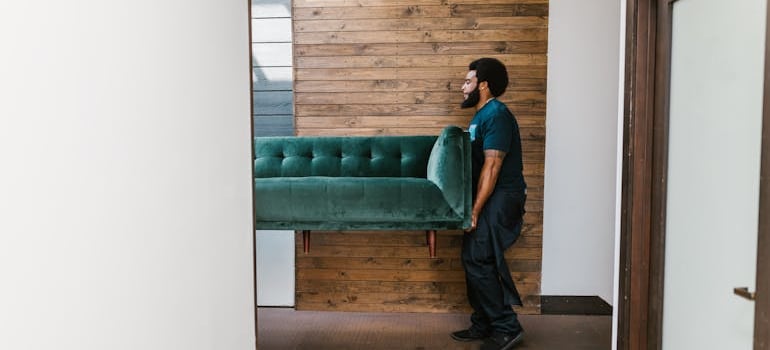
You can also keep mattresses and couches, but make sure they are wrapped in plastic so that dust and moisture don’t damage them. Most international movers have international moving services and work in conjunction with storage companies to make storing your items a possibility.
Seasonal Staples: The Best Things to Store for Long-Term Overseas Adventures
Seasonal stuff is some of the best stuff to stow while you’re abroad. Whether it’s your winter sports equipment or holiday decorations, these are things that won’t rot away and can hang out for months without concern. Some ideal things to store might include:
- Skis, snowboards, and winter coats
- Camping equipment
- Bicycles and outdoor furniture
- Holiday decorations and lights
By professionally packing items for overseas shipping and storage, you can rest assured that your belongings will be there when you get back—safe and unharmed. Using an international moving company, you can securely stash those overseas and rest easy while you’re gone.
Your Storage Strategy for an Overseas Move
What you can and cannot put into storage when moving abroad is the beginning of a successful move. Hazardous goods and perishables or valuables shouldn’t go into storage, but furniture and sports equipment are all good.
Feel confident knowing your things in a foreign place are right where you left them (to an extent) by making the perfect plan. While you are getting ready to relocate, be aware of what the storage facility looks like, and pack your items well. Use these tips for making the most of your storage space while keeping everything safe and secure until you’re ready to return.