
Adjusting to New Food in Your New Country

Get a Free Moving Quote Now!
Start Your International Moving Journey




It’s a normal instinct to want to eat familiar foods at first, and moving overseas is intimidating. But one of the simplest ways to understand your new culture and make yourself feel at home is by indulging in local cuisine.
Food is obviously history, lifestyle, and tradition, so it’s a great way to ease into new tastes and contribute your own personal story when you enter the culture in a very fun way. Read more about how to adapt to new food when moving abroad so you can begin getting to know your new culture.
Start Slowly
When you are settling in during your first few weeks overseas, you may go for comfort food—and that is totally alright. When you are ready, it is beneficial to begin with, say, local food gradually instead of trying everything at once.
Begin small and basic so as to not overwhelm—especially if there’s a language barrier or allergies you have concerns about. Watching how locals eat can also assist you in mastering the absolute basics of dining etiquette—think learning to eat with your fingers and summoning courage to sample dishes you never even knew existed.
Quick Tips for Starting Slow
- Start with small things—snacks, soups, or sides
- Teach food words first (allergies, ingredients, meats, spices)
- Maintain a list of safe foods until you feel comfortable experimenting
Try Something New Every Day
One simple way to get the local cuisine a part of your daily routine is by slowly weaving it into your everyday. Instead of going all out with its typical diet, experiment with replacing one meal or ingredient every day and eat something local.
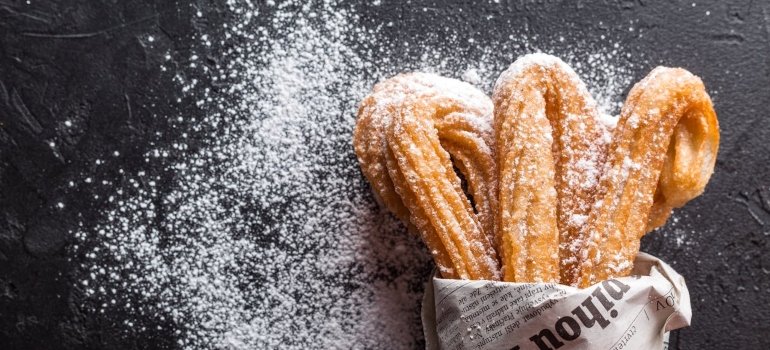
Whether you’re strolling through a market or scurrying into a restaurant for lunch, make sure to take it upon yourself to sample something that is foreign—it could be a fruit, or a pastry, or a street snack.
In the aggregate, they help you crawl out of expat mode and slip into something more local. Before you even know what is happening, you’ll start tasting flavors, knowing what’s in the dish, but most importantly, craving things that once seemed foreign. Repetition is key to making the unfamiliar palatable.
Explore Local Markets
Local markets are one of the easiest and most pleasurable ways to get acquainted with your new country’s food culture. You will see the ingredients locals cook with every day, learn what is in season, and find reasonably priced alternatives you may not spot at the grocery store. Markets also offer the opportunity to buy from local shops and ask questions.
This brief cultural immersion gets you comfortable with the fundamentals—fresh produce, spices, breads, snacks—and eases the pressure when you’re ordering plates full of foods that look nothing like anything on a wing menu. Getting closer looks at ingredients also means it’s easier to try to cook if you want similar simple local meals while at home.
What Markets Can Teach Us
- Common ingredients and cooking styles
- Budget-friendly local foods to try
- Safe choices with dietary restrictions
Don’t Panic
Even if you have eaten a country’s food before you arrived there, it is very different when it enters your daily routine. Your body may have to adapt to new spices, oils, foods, and methods of preparation.
It’s normal to find it a little uncomfortable at the start, so don’t lose your cool—it doesn’t mean there is something wrong with the food or with you.
Let your body adjust, and your taste buds, too. But just like certain toddler foods, some tastes take time to enjoy—that’s why it can feel gross or out of the ordinary at first. With exposure, your system will acclimate, and some of those dishes you still resist can become favorites.
Take Time to Develop New Tastes
It takes time to acquire a taste for unfamiliar foods. If the local cuisine doesn’t immediately excite your palate, no matter—pleasure blossoms over time. Keep trying without pressure to love everything all at once, and you’ll soon find yourself coming to appreciate the flavors and traditions of the country.
As you’re scoping out new dishes, aim to combine local spices or cooking flavors that make the look and feel of it a bit like something back home with what you already know and love. This way it skips a bridge between however habitual eating was in your past and whatever new habits/foods you’re trying to cultivate.
Cook at Home
You’ll be able to get a handle on your new food culture in a low-stakes manner by cooking with local ingredients at home. Start with simple recipes, or watch cooking videos in your language so you get a sense of some flavor combinations. Playing in a more abbreviated format with even just a couple of ingredients can also teach us so much.
At home, remember that you are in charge of what goes into your food—a valuable characteristic if you are concerned about allergies, sensitive ingredients, or unfamiliar kitchen tricks. It’s also great for confidence building before you head to a restaurant or street-food stall and request something a little more challenging.
Connect Through Food
There’s more to food than nourishment—it’s a social glue. Accepting invitations, trying dishes recommended by colleagues or neighbors, and attending food festivals are some of the best ways to learn about traditions you won’t see on a menu otherwise.
And such adventures not only provide you with better acclimation, but they also foster channels to relationships, conversations, and new frontiers of thought. One of the best ways to integrate into your new community is by breaking bread.
Final Thoughts
Acclimating your palate to foreign cuisines can require time, patience, and the willingness to push yourself. Begin slowly, inching forward a bit each day, and remember that adjusting your body physically and mentally is part of the process. By staying consistent and curious, you will not just acquire a taste for your new cuisine—you’ll find yourself more closely connected to the culture and community all about.