
Avoid Customs and Logistics Headaches During Your International Move

Get a Free Moving Quote Now!
Start Your International Moving Journey




Moving abroad can be exciting; the relocation process, not so much. For the best-planned reality transfer, unexpected shipping glitches, customs snafus, and document errors can mean nonstop anxiety. They’re not just nuisances; they can cause time delays and drive up costs and stress. Fortunately, with proper preparation and support, you can avoid these challenges.
You can move internationally with confidence when you understand the expectations regarding customs rules, logistics, and documentation. Here’s a simplistic guide, culled down to the basics to simplify your move and keep customs/transport headaches at bay.
What are Customs Regulations?
Each host country has its own customs regulations. Following these regulations is crucial, as failure to do so could result in delays, fines, or the confiscation of your belongings. A single wrong item description or missing form can lead to a shipment being held for weeks.
Common Customs Challenges
Restricted or regulated items
Everyday goods are banned or restricted in many countries. For example:
- In Australia, we need to clean our wooden furniture a particular way
- Thailand limits some personal electronics, including drones
- Secondhand household goods may be subject to steep duties in Brazil
Unexpected taxes and duties
People often find it surprising that their personal effects are not exempt.
- Stuff must be owned for six months for duty-free entry into Canada
- Other countries charge tariffs on used cars, art, and electronics
Documentation errors
Typos, lost receipts, expired forms, or vague descriptions can all lead to substantial delays. These days, many customs offices have moved to electronic paperwork submissions, so incorrect or non-digitalized paperwork is really the biggest danger.
That’s why the contemporary pet moving business is rolling out paperless—electronic records diminish errors, expedite customs clearance, and make certain forms get in on time.
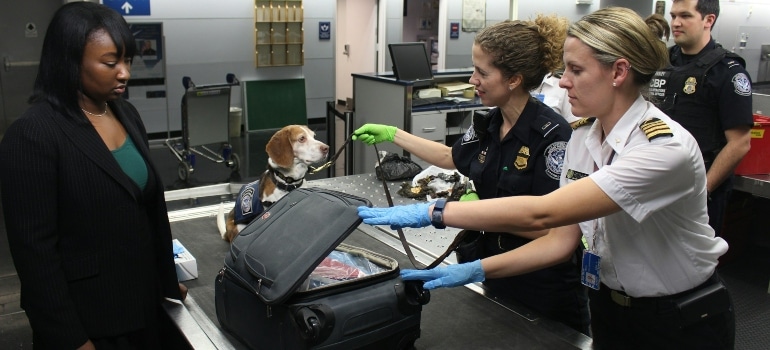
How to Ensure a Smooth Customs Clearance?
Taking all the necessary steps in advance simplifies and streamlines the customs clearance process.
Research Country-Specific Requirements
Every country has its own rules for governing:
- Household goods
- Electronics
- Furniture
- Jewelry and valuables
Please familiarize yourself with these requirements in advance to ensure a smooth arrival at your destination.
Organize Essential Documents
Customs officials typically require:
- Passport and visa copies
- Detailed inventory list
- Proof of ownership
- Receipts or value declarations
Accuracy and completeness prevent unnecessary delays.
Work With Experienced International Movers
These overseas professional moving companies are familiar with the laws and paperwork of each country. They save you mistakes, they can anticipate problems, and they make the whole customs thing a whole lot easier.
Logistics Planning to Avoid Unnecessary Delays
A well-planned international move is one with clear logistics. Without it, shipments may experience loss, delay, or incur unexpected fees.
Choose the Right Shipping Method
Air Freight
- Fastest delivery
- Great for small or immediate shipments
- Higher cost
Sea Freight
- Cost-effective for large household moves
- Longer transit times
- Customs processing can add extra time
Hybrid Options
- Some relocations utilize a combined air-sea service to balance speed and cost.
You’re able to make the most economical choice as well as keep your shipment on time.

Smart Packing and Labeling Strategies
To prevent customs and logistic issues, it all starts with proper packing requirements.
Use High-Quality Packing Materials
Strong boxes, bubble wrap, and quality-made foam cushion items from drops or falls so they get to you in one piece and in great shape.
Label Each Box Clearly
The customs service needs to verify contents swiftly. Well-labeled carts with precise descriptions limit:
- Inspections
- Delays
- Risk of misplacement
Summary an unclear or missing label might cover the clearance.
Maintain a Detailed Inventory
A list keeps customs clear, demand in order, and claims dialed down should loss or damage occur.
And in large cities like New York—where thousands of shipments cross through the ports every week—clearly marked packages packed by someone who knows how to do it will go a long way in avoiding snafus or delays.
Stay Organized to Avoid Last-Minute Issues
International moves involve extensive documentation. Staying organized minimizes surprises.
Create a Documentation Checklist
Essential items include:
- Passports and visas
- Customs forms
- Shipping documentation
- Inventory lists
- Copies of all forms
- Protect Both Digital and Hard Copies
Maintain Clear Communication
Could be longer depending on the time of day I order and how long it takes Meathead Customs to inspect them. Stay connected to your co-mover as we get the most recent information on:
- Shipment status
- Customs processing
- Duty payments
- Delivery schedules

Transparency and communication in the community give everyone a positive idea of what to expect upon moving.
Move Without Customs and Logistics Headaches During Your International Move
Moving abroad shouldn’t be the beginning of a horror story. With careful planning and good documentation, as well as some hands-on advice, you can escape customs and logistical headaches.
Armed with knowledge, expert assistance, and a little planning, you can have everything taken overseas effortlessly—on time for you to walk into your new home ready to embrace the changes that come when making life anew.